
Monday to Saturday - 8:00 -17:30
Driving an RV for the First Time: Simple Guidelines for New Drivers

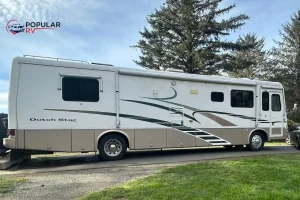
Every experienced RV driver started with a first trip. RV has a different way of moving and a larger size. So, it demands more focus when you drive for the first time. But with proper thinking and some basic preparations, everybody can manage it.
The guide will walk you through every single step of driving an RV first time. For example, you will be able to handle road conditions, park safely, and plan your route. They will give you the confidence you need even before you start driving.
How Driving an RV Differs From Driving a Car
Taking an RV on the road is surely not the same as just operating a larger vehicle. Its speed, turning, and stopping behave differently. An RV would be very heavy and tall. It also gets more affected by the wind.
RVs gain speed more slowly. It will also take longer for it to stop. If one takes a sharp turn quickly, they will get into trouble. Visibility is also different. Blind spots are larger. Mirrors play a bigger role than rear windows. Lane changes need more planning. You must think ahead more often.
RVs also react strongly to road conditions. Uneven pavement, hills, and curves feel more noticeable. The effect of passing trucks can push your RV sideways. At first, these variations might seem to be too much to deal with. However, through consistent driving and paying attention, they will soon be under control.
Understanding RV Driving Basics
Before starting the engine, it is important to understand the basics. Planning reduces stress. Knowing your RV’s limits keeps you safe. The fundamentals are as follows:
Choosing the Right RV
Size variance in RVs is particularly a significant concern for beginners. Bigger RVs might be hard to control. Besides, the smaller units are easier to drive, park, and even stop. The RV you pick should be suitable for both your comfort and driving experience level. Going with a small one helps you gain confidence much quicker on the road.
Adjusting the Driver’s Seat
Prior to driving, position your seat in a proper manner. Check if you can touch the pedals and have a clear vision of the road. Set up mirrors for the entire side view. A perfect driving position diminishes early tiredness. It also makes you quickly respond and stay alert in taking your next move during the drive.
Pre-Trip Planning and Route Awareness
Mapping your route in advance is a time-saver. Always bypass the dangerous roads. Numerous bridges on some roads are low, and the turns are sharp, making those roads unsafe for RVs. Check elevation changes and narrow streets. Look for RV-friendly highways. A calm route makes your first drive much easier and safer.
Using an RV-Friendly Navigator
Regular GPS systems typically guide you onto roads meant for cars only. RV-friendly navigation tools consider height, weight, and length. They warn you about low clearances and restricted roads. This reduces surprises and last-minute turns. Always double-check routes before trusting any navigation tool fully.
Height, Width, and Low Clearance
It is vital to know the height and width of your RV. Write these values down and make sure they are always acknowledged. Low bridges, tunnels, and tree branches might cause very high damage. Do not take the risk of guessing if you are going to fit or not. When in doubt, just stop and take a look.
Planning Fuel Stops
Fuel stops need extra thought with an RV. Some stations are tight and hard to exit. Look for truck stops or RV-friendly fuel stations. Plan stops before the tank gets too low. This avoids panic fueling in unsafe spots. Easy access stations reduce stress and mistakes.
Checking RV’s Weight Balance
Proper weight balance keeps the RV stable. Uneven weight can cause swaying and poor handling. Heavy items should stay low and centered. Avoid overloading one side. Check weight limits carefully. A balanced RV is easier to control, especially during turns and sudden stops.
Mandatory Safety Checks Before Driving
Before driving, various safety checks should be made. A concise examination before driving allows the detection of defects at an early stage. These precautions will ensure your safety, guard your co-riders, and your RV. Neglecting examinations regularly results in unnecessary difficulties on the route.
When first time driving an RV, you must perform the following safety checks:
| Check Area | What to Look For | Why It Matters |
| Tires | Proper pressure, no cracks, good tread | Reduces blowout risk and improves control |
| Lights and Signals | Headlights, brake lights, turn signals working | Keeps you visible and prevents accidents |
| Mirrors | Properly adjusted, clean, wide view | Helps manage blind spots and lane changes |
| Propane and Fluids | Propane turned off, fluids topped up | Prevents leaks, breakdowns, and fire risks |
| Doors and Storage | All doors, steps, and compartments secured | Stops items from opening or falling while driving |
| Roof and Accessories | Antennas, vents, and awnings fully closed | Avoids damage from wind or low clearance |
Driving Techniques for First-Time RV Drivers
Patience is key to mastering the art of RV driving. The blend of gentle actions and smooth driving keeps the whole vehicle firmly locked in its path. Rushing only leads to mistakes. These techniques help new drivers stay calm and in control:
Maintaining a Slow and Smooth Speed
The slowest driving pace will give you the biggest chance to react. The RVs are not going to be responsive if there is a sudden movement. It is all about the gradual steering and keeping the vehicle moving calmly. The body of the RV will be under less threat like this. You might be overtaken by other vehicles, but it is absolutely normal.
Safe Stopping Distance
The RVs are going to need a greater distance for the stopping process. Always keep your distance. Do not forget to allow the vehicle ahead of you to take extra space. Getting into a situation where you have to brake very late is dangerous. Start thinking well ahead of time and braking early. This practice will soon become a part of your RV driving style.
Making Wide Turns Easy
Turns with the RV will be way more complex than the car ones. Begin the turns later and slightly swing out. Over to the side, keep an eye out for the walkways, signs, and poles. During the turning, use the mirrors nonstop. The practice will enable you to train your eyes and use skills to get the distance right. So you will not hit nearby objects.
Tail Swing in Tight Spaces
The RV’s rear swings outward when turning. The tail swing can hit the nearest objects. Be very careful while in the parking lots and at the gas stations. Go slowly and check your mirrors often. Being aware can help you avoid accidents that can be expensive to fix.
Staying in the Right Lane
Generally speaking, driving in the right lane is the safest for RVs due to their extensive dimensions. It permits low speeds and gives access to exits that are less difficult to handle. Right-lane driving limits the influence of fast-passing vehicles. You are less tense, and you can respond to brakes and changes more quickly.
Highway and Traffic Driving Guidelines
Highway driving in an RV takes patience and focus. Traffic moves faster than you may expect. Wind and large trucks can affect control. Being calm and composed helps you to be safe and sure during the drive. Just stick to these rules:
- Maintain a safe distance from the car that is ahead
- Do not change lanes suddenly or make sharp movements
- Use turn signals early and clearly
- Let faster vehicles pass when possible
- Hold the steering wheel firmly in windy conditions
- Make small steering corrections only
- Slow down if wind or traffic feels overwhelming
- Drive at a pace that is comfortable and steady
- Use pull-offs or turnouts if traffic builds up behind you
Driving an RV in Changing Weather
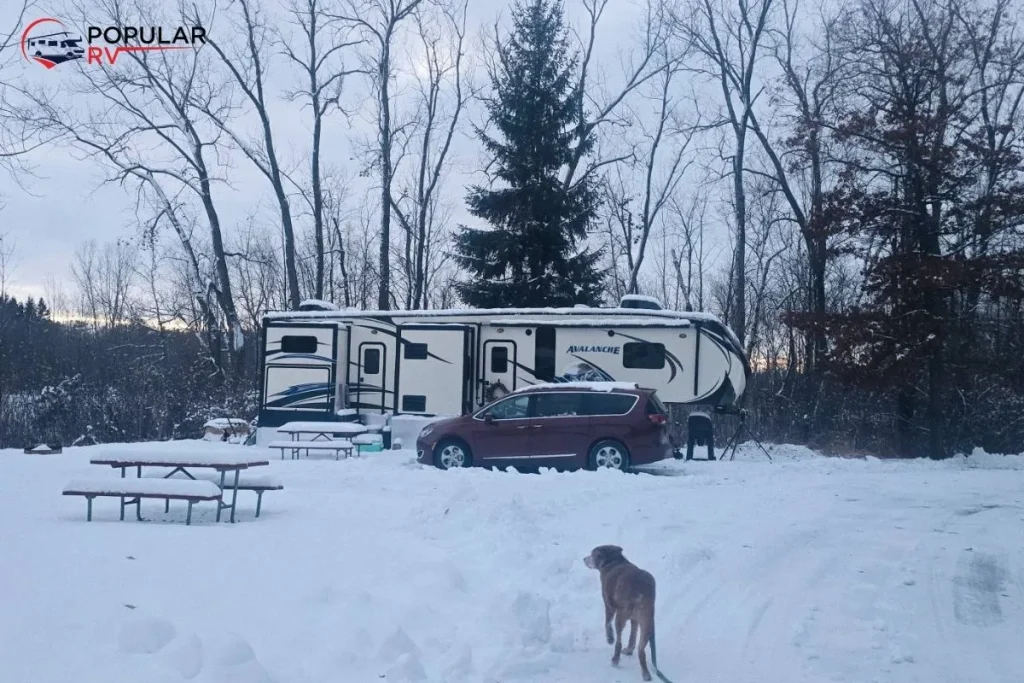
The weather has a major impact on RV driving. Control can be influenced by wind, rain, heat, and cold. Changing your speed and remaining alert will keep you safe in unpredictable conditions. Moreover, these tips should not be forgotten:
- Slow down when strong winds are present
- Hold the steering wheel firmly in crosswinds
- Increase the following distance in rainy weather
- Avoid sudden braking on wet roads
- Turn on the headlights to improve visibility
- Pull over if weather conditions feel unsafe
- Check tire pressure more often in hot weather
- Watch engine temperature indicators closely
- Reduce speed in cold or slippery conditions
- Put safety and patience ahead of arrival time
Smart Ways to Park and Back Up Safely
Parking an RV takes practice. Choose large, open spaces whenever possible. Avoid crowded lots until you feel confident. Pull-through spots are easier than backing up.
Using a spotter helps prevent damage. A spotter guides you with hand signals and watches blind spots. Clear communication is also important. Agree on signals before moving.
Gas stations and tight spaces require extra caution. Watch roof height, turning radius, and exit paths. Move slowly and stop if unsure. It is always okay to get out and look before continuing.
Staying Safe While Driving an RV at Night
Nighttime RV driving is nothing but a test of focus and patience. With diminished sight and tiredness, a driver might have a slower reaction time. That is why you need to be extra cautious.
Remember these points, particularly if you’re a first-time RV driver:
Slow Down and Create Space: Cut your speed down and increase the gap behind the car ahead of you. With the extra space, you have more time to react in dark areas.
Use Headlights Wisely: Headlights should be turned on at the beginning of the journey. High beams should be used only when the conditions warrant it. Always dim them for the traffic coming from the opposite direction.
Watch for Animals: Be attentive on roads that are rural and dark, where animals can be found. They might come into view all of a sudden. At night, they are even harder to see.
Reduce Glare: Have the windshield cleaned frequently. So that the glare from the headlights is minimized. The clean glass not only helps the eyes but also relieves them. It makes focusing easier.
Manage Driver Fatigue: Pay attention to signs of tiredness while driving. Pull over and rest if you feel fatigued to stay safe.
Common Beginner Mistakes and How to Avoid Them
The majority of beginner RV drivers tend to commit some errors in the beginning. This is quite usual. It is a process of acquiring knowledge. Old habits or stress are responsible for many errors. Others are due to insufficient experience. The positive aspect is that every error has an easy solution. By making minor adjustments, safety and assurance while driving can be significantly increased.
Typical first-time errors and solutions for driving an RV:
| Beginner Mistake | Why It Happens | Simple Fix |
| Driving too fast | Feeling pressured by traffic | Stay in the right lane and drive at a safe pace |
| Forgetting RV height | Habit from driving a car | Keep the height written on the dashboard |
| Sharp turns | Misjudging RV length | Take wider turns and move slowly |
| Braking too late | Underestimating the stopping distance | Leave extra space and brake early |
| Skipping walk-around checks | Rushing to leave | Do a quick safety check every time |
| Avoiding practice | Fear or lack of time | Practice in empty parking lots first |
Conclusion
Every RV driver may feel intimidated at first. But your first RV drive is only the beginning. Small lessons add up quickly. Slow decisions lead to safer miles. As comfort grows, so does enjoyment. Over time, each journey brings more control, less stress, and better memories on the road!
Frequently Asked Questions
Should I practice driving before a long RV road trip?
Absolutely. Start by practicing in an empty parking lot. It makes you more confident and in control.
How far should I drive on my first day in an RV?
Don’t go long. Ideally, four to six hours is best. Shorter travels give you more opportunity to get used to driving an RV without stress.
Do I need a special license to drive an RV?
Standard RVs often don’t need a specific license. Verify local laws at all times, particularly for larger motorhomes.
What’s the best speed for a first RV drive?
Maintain a comfortable speed, usually between 55 and 65 mph. Slowing down improves control, fuel efficiency, and safety for new drivers.