
Monday to Saturday - 8:00 -17:30
Lighting for RV: Creative Ways to Brighten Your Journey


Lighting defines the atmosphere in an RV. It leads the way during the day and provides a relaxed atmosphere at night. In an RV, the light does not just illuminate the area but also helps with concentration and gives a feeling of security. Proper light selection also brings peace and functionality.
This blog will brief you on different types of RV lighting and the best places to put each one. Besides, we will talk about power-saving alternatives, smart lighting concepts, and common issues with fixes.
How Proper Lighting Improves Your RV Experience
Lighting is not a luxury in an RV. It does more than help you see. It is a daily comfort tool. Not only that, it shapes your daily RV life.
Good lighting improves safety. You see steps, counters, and corners clearly. This matters at night or during bad weather. Lighting also affects comfort. Soft lights help you relax. Bright task lights help you work.
A mood factor is also present. Warm lighting creates a cozy vibe, while cool lighting provides a clean and modern one. Important benefits of appropriate RV lighting:
- Better visibility and safety
- Reduced eye muscle strain
- Greater mood and focus
- More usable space at night
- Lower power usage with efficient lights
Types of Lights You Can Use Inside an RV
RVs use many lighting styles. Some lights are built in. Others are add-ons. Each has a purpose. Mixing types gives the best result.
Common RV interior lighting goals are:
- General lighting for movement
- Task lighting for work areas
- Accent lighting for style
Choosing the right mix prevents harsh lighting and dark corners. These are the main lights that an RV can use:
LED Lights
LED lights have become the number one option for RV interiors. They are highly energy efficient and have an incredibly long lifespan. LED lights do not emit heat and are cool to the touch. It allows their usage in areas where there is very little space. They can be used in the living room, the kitchen, and the bedroom. They are really efficient for continuous RV use and also save battery life.
Incandescent or Traditional Bulbs
Incandescent bulbs provide a warm, soft light. They give your RV a cozy and home-like environment. However, they consume a greater amount of energy and produce heat. These bulbs are most suitable for low-usage areas or for short-duration trips. Large numbers of RV owners often change them to lessen their power drain.
Compact Fluorescent Lights (CFLs)
CFLs have lower energy consumption compared to traditional bulbs. But they still consume more power than LEDs. They give bright and even lighting and serve longer than incandescent bulbs. CFLs are beneficial in overhead structures or common areas. They are a good compromise option, but are slowly losing their appeal to LEDs in modern RVs.
LED Puck Lights
LED puck lights are tiny and focused. They are excellent for illuminating limited zones rather than entire rooms. Under-cabinet, inside the closet, or above the countertop installation are potential options. The lights offer visibility without overpowering the space at the same time. They are most suitable for RV kitchens and storage areas.
Strip and Tape Lights
Strip or tape lights are flexible LED strips with glue on the back. They are simple to install and the best choice for decorative lighting. You can install it under cabinets, along ceilings, or near steps. These lights produce a gentle light and create a soothing vibe. They also enhance safety at night without consuming much power.
Reading and Task Lamps
Reading and task lamps are designed to provide light exactly where it is needed the most. They effectively solve the problem of tired eyes that may result from reading, working, or cooking. The lamps can be easily placed next to beds, desks, and kitchen counters. Moreover, these adjustable lamps come in very handy in RVs where there is a limitation of space.
Ceiling or Overhead Lights
RV interiors rely on ceiling or overhead lights as their primary lighting source. They are used to give complete brightness for daily activities. Install them in lobbies, cooking areas, and bathrooms. LED ceiling lights are now installed in many modern RVs to conserve energy. Also, the aesthetic and functionality of the area are not compromised.
How LED Lights Compare to Standard Bulbs?
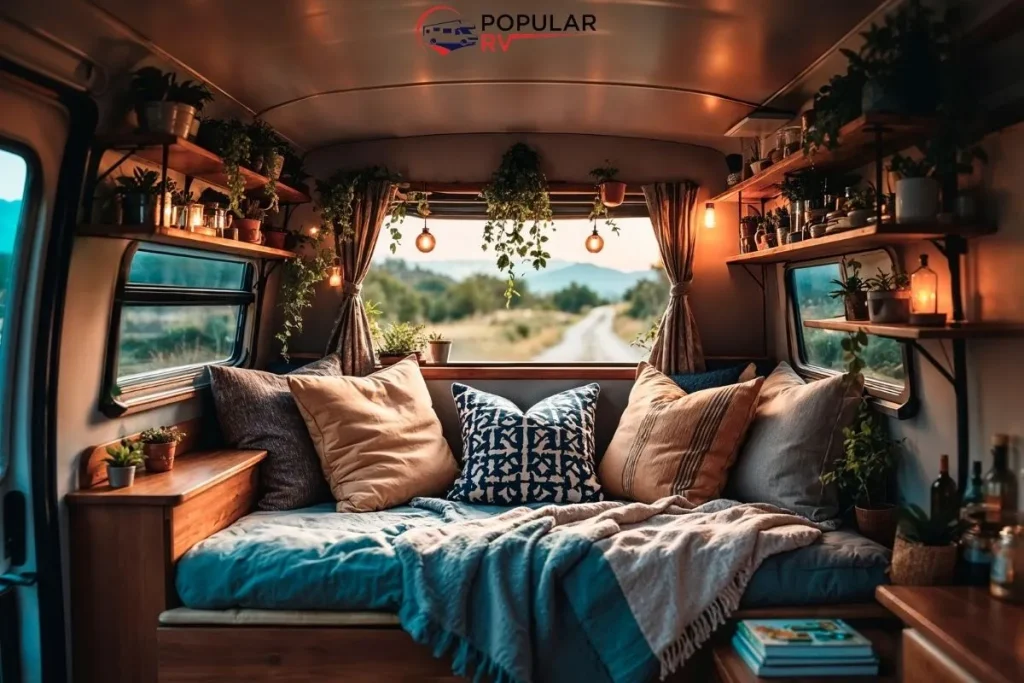
Choosing the right bulb matters in an RV. Power use, heat, and lifespan all affect comfort and battery life. LED bulbs and conventional bulbs are the most used ones, but they work very differently.
The table below shows their key differences in a clear and simple way:
| Feature | LED Lights | Standard Bulbs (Incandescent) |
| Energy Use | Very low power consumption | Uses much more electricity |
| Lifespan | Lasts more extensively | Usually lasts 1,000 hours |
| Heat Output | Stays cool during use | Produces noticeable heat |
| Brightness Efficiency | Bright light with less energy | Needs more power for brightness |
| Battery Impact | Protects RV batteries | Drains batteries faster |
| Maintenance | Rarely needs replacement | Frequent replacements needed |
| Best Use in RV | Full-time and long trips | Short-term or limited use |
Advantages of Using Motion, Portable, and Solar Lights in an RV
Smart lighting utilizing sensors, portable, and solar options not just elevates comfort but also saves electricity. They are multifunctional, very efficient, and perfect for small RVs. Their installation does not require wiring, and, therefore, RV life becomes less complicated.
Motion Sensor Lights:
Motion lights are great and turn on as you walk. They are perfectly fit for the halls, bathrooms, or kitchens at night. This makes the place safer and eliminates the need to look for switches.
Portable Lamps:
Portable lamps offer you great flexibility. You are allowed to move them to the needed place to get light. Lots of models can be charged via a USB, which makes them energy-saving and convenient.
Solar Lights:
Solar lights are great for the environment and ideal for outdoor areas such as patios, steps, or inside any room near the fireplace. They conserve energy and can function even if your RV is off-grid and turned off.
Few Smart Lighting Ideas:
- Motion sensor lights for nighttime use
- USB rechargeable lamps for flexible lighting
- Solar lanterns for emergencies or outdoor use
Practical RV Bathroom Lighting Solutions
Lighting in a restroom is one of the important aspects in a camping vehicle, which also has to be balanced. Insufficient light may create a feeling of insecurity at night. Too much light can cause harshness and unease. Use layered lighting to give the place the efficiency and the warmth it needs.
Here are some useful solutions for bathroom lighting:
- Choose surfaces that resist moisture and are also waterproof to keep them safe from being damaged
- Mirror lighting with either LED strips or puck lights is one way to achieve a very bright and clear light for the area
- The grayish white light is the most suitable one for showing the true colors of the skin while doing makeup
- A small night light near the bathroom will help with friendly illumination during late-night trips
- Light dimmers are a good way to control light levels for different times of day
- Use compact-sized lights if the bathroom in your RV is not very big, to avoid occupying a lot of space
- In case of power failures, consider having battery-operated or USB lights as a backup option
Factors to Consider When Buying RV Lights
It cannot be said that all lights are suitable for RVs. The correct selection enhances safety, comfort, and electricity savings. Always consider these key factors:
- Voltage Compatibility: Make sure the light works on a system of 12V. This consideration is vital, especially for RVs that operate off-grid.
- Power Consumption: Choose lights that use less power to protect your battery. LEDs are a smart option for long trips.
- Size and Weight: Compact and lightweight lights fit better in small RV spaces. They also reduce stress on fixtures.
- Mounting Method: Some lights screw in, while others stick or clip on. Pick a method that suits your RV walls and ceiling.
- Color Temperature: Warm light gives a cozy feeling, while neutral or cool light makes things more visible. Make your choice according to the function of the space.
- Vibration Resistance: RVs move often, and lights must handle shaking. Look for fixtures designed to resist vibration and loose wiring.
Simple RV Interior Lights Installation Guide
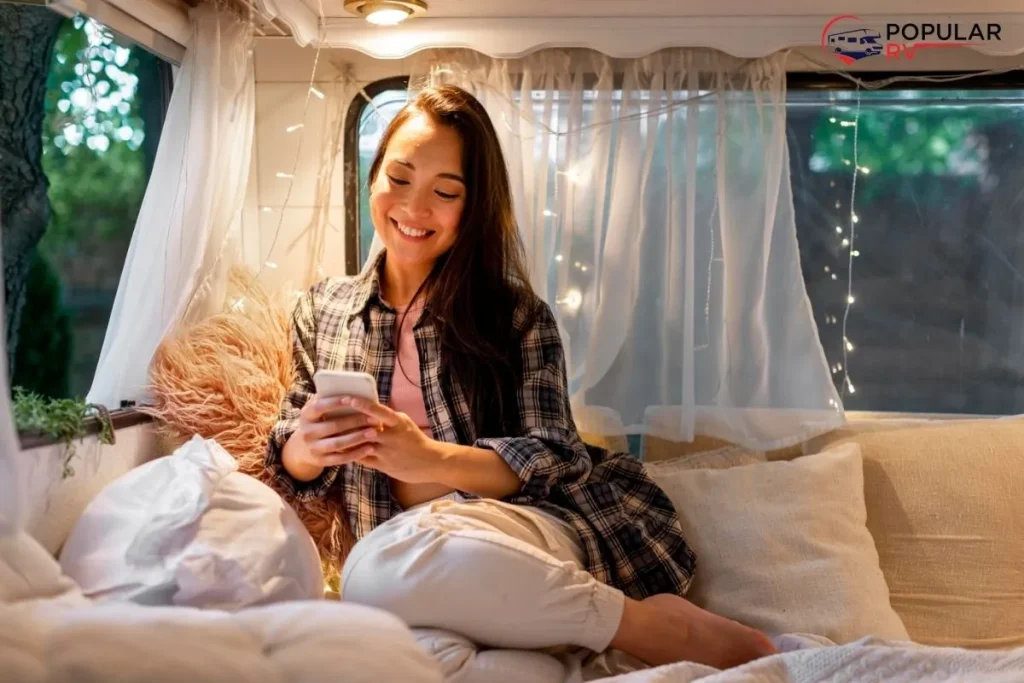
The process of installing RV lights is usually straightforward. A lot of the lights come with the plug-and-play feature. The ones that run on batteries do not require any connections.
Basic light installation steps:
- Turn off the power
- Remove old fixture
- Match the wiring or socket
- Secure the new light perfectly
- Test before final mount
Ways to Save Energy While RV Lighting
The sustainability of your RV batteries is greatly influenced by light. Even minor adjustments in your lighting lifestyle can result in significant savings. Follow these tips:
- Use LEDs for light reduction and battery life extension
- Switch off lights to prevent draining when not in use
- Natural daylight with proper cabin airflow could be your first choice
- Use dimmer devices for energy-saving and brightness control
- Use task lighting instead of lighting the entire RV
- Install motion detectors in places that are not frequently visited
- Solar charging can take care of your lighting needs
- Opt for RV-rated low-wattage bulbs
- Do not leave outdoor or decorative lights on all night
Outdoor Lighting for Nighttime Safety
Outdoor lighting is undoubtedly one of the major safety factors for RVs after dark. It not only gives you the comfort to walk around, but also allows you to visually detect the dangers and deal with them at the right time. Below are some exterior light options for RVs:
| Outdoor Light Type | Purpose and Benefit |
| Porch Lights | Illuminate the entry area, making it safer to enter and exit your RV at night. |
| Step Lights | Highlight stairs and reduce the risk of slips or missed steps in low-light conditions. |
| Motion Security Lights | Turn on when movement is detected, improving safety and discouraging unwanted visitors. |
| Ground Solar Lights | Mark pathways and campsites while saving battery power through solar energy. |
| Awning Lights | Provide soft outdoor lighting for relaxing, seating, or cooking in the evening. |
| Rear and Side Marker Lights | Improve visibility when walking around the RV at night. |
| Portable Outdoor Lanterns | Offer flexible lighting for picnic tables, campsites, or outdoor activities. |
Seasonal and Festival Lighting Ideas
The illumination of your RV can do more than just brighten it up. It also has the power to alter the atmosphere and make it feel different or even more peaceful. In a small RV, soft and simple lighting is the best choice. The secret is to provide comfort without overcrowding the area.
Some seasonal and mood lighting ideas:
- Use warm white string lights to get the feel of cozy winter nights
- During fall, add soft amber lights for a relaxed and earthy vibe
- For bright summer trips, choose either neutral or daylight lighting
- Use cool white lights only in very small amounts for fresh spring mornings
- Choose dimmable lights to adjust the mood throughout the day
Party and decor lighting tips:
- Bring in the festival or fairy lights along windows or shelves for an uplifting look
- Get battery-operated decorative lights that do not require extra wiring
- Introduce LED candles for the effect of light without the fire hazard
- Experiment with color-changing LEDs for the holidays or special occasions
- Use clip or adhesive lights to remove easily and avoid wall damage
Troubleshooting Common RV Lighting Issues
Lighting issues are normal in RVs, yet the majority of them are not hard to solve. Routine inspections and minor corrections can ensure that your lights are operating efficiently. The table below shows common issues and quick solutions:
| Problem | Solution |
| Flickering lights | Check for loose connections |
| Dim lights | Inspect the battery or wiring |
| Lights not turning on | Check the fuse or switch |
| Lights buzzing | Replace incompatible dimmer or bulb |
| Overheating lights | Use correct wattage or switch to LEDs |
Conclusion
All the lighting in an RV plays a crucial role in enhancing the overall ambiance. Make wise selections, use layered lighting, and think about energy consumption for extended journeys. Little improvements and clever ways of living make it easier and more delightful for you and your RV to be safe, comfy, and inviting every day!
Frequently Asked Questions
Can I use string lights inside my RV?
Definitely. Use LED string lights exclusively. Make sure they are secure. Avoid blocking vents or wires.
What is the lifespan of RV LED lights?
The majority of RV LEDs have a lifespan of 25,000 to 50,000 hours. The longevity is usually affected by usage and quality.
Can I use household LED bulbs in an RV?
Occasionally, you can. Verify the base type and voltage. RVs mostly require bulbs that are 12V compatible.
How to keep your RV lights long-lasting?
Make use of high-quality LEDs. Prevent contact with moisture. Secure the fixtures. Remember to regularly inspect the wiring.