
Monday to Saturday - 8:00 -17:30
RV Insulation Ideas: Improve Comfort With Easy Upgrades

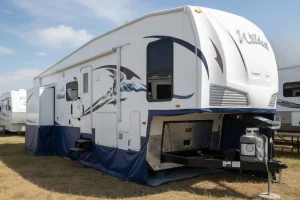
Pursuing the RV life seems great. But excessive heat, cold, or noise can easily spoil your comfort. Many RVs come with basic insulation. It works, but not well enough for real travel. Weather changes fast on the road. Good insulation keeps temperatures stable and also helps reduce outside noise.
The best part is that you can do small upgrades instead of going for a complete renovation. This blog covers practical RV insulation ideas that address the needs of both short trips and full-time living.
Why You Shouldn’t Overlook RV Insulation
Many RV owners focus on engines and layouts. Insulation often gets ignored. That is a mistake. Poor insulation leads to problems like:
- Extreme indoor temperatures
- High AC or heater use
- Condensation and damp odors
- Outside noise gets inside
- Higher energy costs over time
Insulation controls heat flow. It slows the heat entering in summer. It also keeps warmth inside during winter. This reduces strain on your systems. Comfort is not the only benefit. Insulation also serves as a protective layer for the RV’s structure. Moisture accumulation can cause damage to wall and floor materials.
Besides, insulation also increases the selling price of your vehicle. A well-insulated RV feels more secure. Buyers notice the difference right away.
Best RV Insulation Materials Explained
Not all insulation works well in RVs. RV space is tight, and weight matters. Moisture resistance is also important. Choose based on your goal. Many RVers mix materials for the best results. Here is a simple table describing the best insulation materials and their uses:
| Material | What It Is | Best RV Space | Best Weather | Pros | Cons |
| Reflectix | Reflective foil tape that bounces heat | Windows, vents, doors | Hot weather | Lightweight, easy to install, affordable | Limited efficiency, needs an air gap |
| Foam Board | Rigid foam panels for thermal insulation | Walls, floors, ceilings | Hot and cold weather | High insulation value, moisture resistant | Needs cutting and fitting |
| Spray Foam | Expanding foam that fills gaps and cracks | Seams, small gaps, corners | Cold weather | Seals air leaks, strong insulation | Permanent, hard to remove |
| Fiberglass | Traditional insulation made of glass fibers | Older RV walls | Mild to cold weather | Affordable, widely available | Can trap moisture, tricky to handle |
| Thinsulate | Lightweight synthetic insulation for vehicles | Vans, ceilings, walls | All-season use | Flexible, good sound control | More expensive than others |
Effective Insulation Techniques For RV Windows
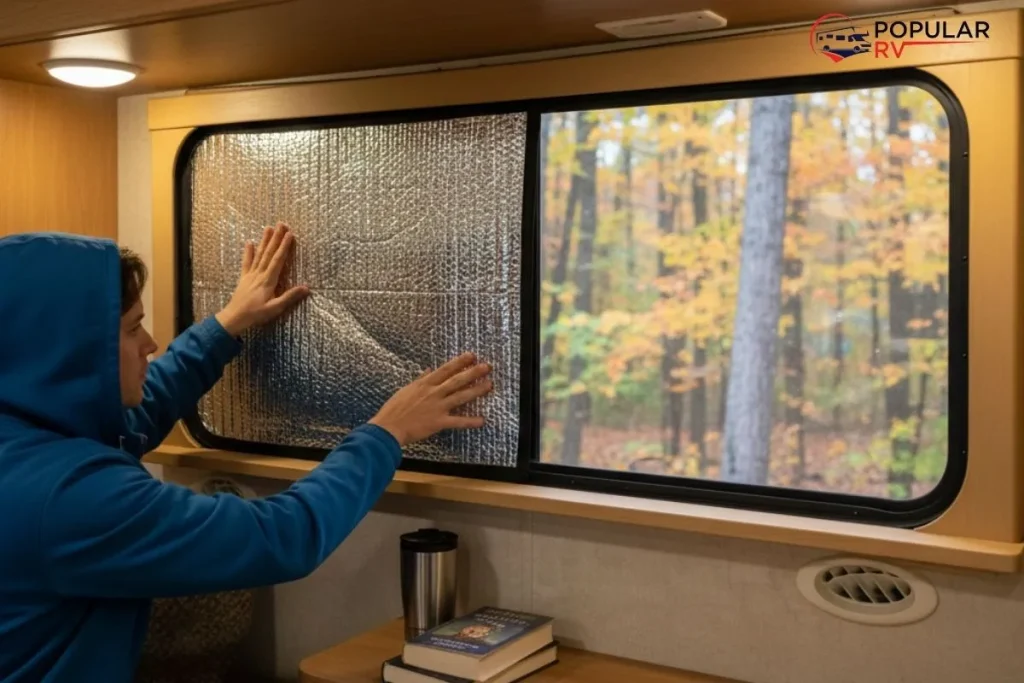
Windows are the weakest barrier point in an RV. Glass lets heat pass easily. Cold air sneaks in fast.
These simple fixes help a lot:
- Reflective window covers
- Thermal curtains for wintertime
- Thicker, darker curtains for heat and sound blocking
- Bubble wrap for the cold seasons
- Magnetic insulated panels
Reflectix cut to window size works well. Place it behind curtains for a clean look. For winter, clear plastic window kits reduce breezes. For full-time RVers, custom window covers are worth it. They create an air gap. This boosts insulation without blocking light.
Do not forget the windshield and cab windows. They let in huge amounts of heat. Exterior windshield covers work best in summer.
Insulating Vents and Skylights the Right Way
Roof vents and skylights in RVs are heat magnets. These openings affect both seasons. Hot air rises, and cold air drops easily. Vent cushions are an easy fix. They push into vent openings. They block heat and cold. Furthermore, they also reduce light when needed.
Skylight covers work the same way. Some come with reflective layers. Others add foam padding. Do not seal vents permanently. RVs need airflow to prevent moisture problems. Permanent upgrades usually involve vent covers outside. These allow airflow while blocking rain and sun.
Tips for better results:
- Use vent cushions in extreme weather
- Remove them during mild days
- Check for air gaps around frames
Roof, Wall, and Ceiling Insulation Tips
Roof, wall, and ceiling insulation play a major role in RV comfort. These areas control how heat enters and escapes. Focusing on the right areas makes insulation work more effectively.
Roof Insulation Tips
The roof takes the most heat from the sun. Many RV roofs have very little insulation. This causes high indoor temperatures during summer. Adding foam board under ceiling panels helps block heat. Spray foam works well in small roof gaps. Reflective roof coatings also reduce heat buildup and protect the roof surface.
Wall Insulation Ideas
Generally, the walls of an RV are not very thick. They lose heat rather quickly. However, even the smallest of the improvements could be quite helpful. One way of doing this is by putting a foam board behind the cabinets or furniture. The first thing to consider is the outer walls. Even small sections can make a significant difference in the comfort of the RV.
Ceiling Insulation Solutions
Insulation in the ceiling area is a major contributor to controlling both heat and noise. This is a crucial part because the heat rises very quickly here. Thinsulate and thin foam sheets are the best to use when there is not much space. These materials are very light and also easy to work with. An insulated ceiling will also improve the comfort level during sleep.
Important Safety Tips:
- Do not block wiring, vents, or air paths
- Avoid trapping moisture inside walls or ceilings
- Do not overfill tight spaces with insulation
- Seal gaps carefully to prevent air leaks
- Wear safety gear when cutting or installing insulation
Insulating RV Floors for Full-Time Living
It is a common issue in RVs to have cold floors. Heat mostly leaves the vehicle downwards, particularly during the cold months. Proper flooring insulation can make a very significant difference for those living in RVs full-time. Here are some methods of doing it:
Using Foam Boards and Mats:
Heat loss through the floor can be reduced by using foam boards and insulated mats. They are comfortable, practical, and can be fitted easily under rugs or removable flooring.
Rugs for Extra Warmth:
Thick rugs add to the comfort of the floor. They also contribute to the insulation of the RV’s interior space. They are a non-invasive solution since nothing is altered in the floor structure.
Benefits of RV Skirting:
Skirting prevents the cold air from coming under the RV. It improves the insulation and protects the plumbing. It creates a significant difference in the case of full-time or parked RV setups.
Reflective Layers Under Flooring:
Carpets with reflective insulation beneath them redirect heat back to the room. This simple layer makes the room warmer without the drawback of adding much weight or thickness.
Noise Reduction Through Better Insulation
Noise can easily pass through thin walls and ceilings. Even road noises, rain, and nearby RVs can render the inside quite loud and uncomfortable. Insulation can absorb as well as filter these sounds.
Here are the best insulation options for effective noise reduction:
- Thinsulate: It is very light and flexible that absorbs sound in walls, ceilings, and doors.
- Foam panels: The vibration caused by vehicles and engine noise is reduced.
- Rugs and curtains: Soft materials are good for minimizing echoes.
- Cabinet liners and fabric wall hangings: These tiny additions can have a big effect in reducing noise.
The walls, ceilings, and cab area closest to busy streets in your RV require the most attention. It is not likely that your RV will be completely soundproofed. Yet, a 30-40% noise reduction is noticeably beneficial for comfort and sleep quality, particularly when combined with RV interior lighting.
Some Noise Reduction Quick Fixes:
- Use door draft stoppers to block noise
- Seal window and vent gaps
- Place thick rugs or mats
- Hang fabric panels or tapestries
- Add cushions or blankets to reduce echoes
Summer RV Insulation Tips That Block Heat
Summer heat builds up fast in an RV. Proper insulation helps block heat early. Focus on the main heat sources:
- Roof
- Windows
- Door gaps
Insulation helps, but planning ahead is crucial. These minor upgrades can keep your RV cooler. Such as:
- Use reflective window covers to bounce heat away
- Add thermal curtains to block direct sunlight
- Insulate the roof to reduce heat buildup
- Close gaps around windows and doors
- Insulate skylights to prevent heat from entering
- Use vent covers that allow airflow but block the sun
- Insulate slide-outs to reduce heat leaks
How to Insulate an RV for Winter Camping
Winter camping puts extra stress on your RV. Cold air finds every gap and crack. Proper insulation helps keep warmth inside. The following are some effective winter insulation strategies:
- Seal air leaks around slides and wall seams
- Add insulation behind cabinets and drawers
- Protect water systems with pipe insulation and heat tape
- Add foam boards to the basement and storage bays
- Insulate wheel wells to reduce cold drafts
- Layer bedding and mattress insulation for warmth
- Use insulated covers for entry steps
- Block cold air from propane and utility compartments
- Check and reinforce factory insulation weak spots
Temporary vs Permanent Insulation Solutions
Not every insulation solution for an RV has to be permanent. There are some options that are very effective for short-term trips or for a particular season. On the other hand, there are some that are more suitable for long-term comfort and full-time living. The decision of which type to use depends obviously on your traveling style.
To help you in making a better decision, here is a detailed comparison:
| Feature | Temporary Solutions | Permanent Solutions |
| Common Materials | Reflectix panels,Vent pillows,Rugs and curtains,Foam tape | Spray foam,Foam board installs,Insulated skirting,Custom window inserts |
| Installation | Fast and simple | Requires planning |
| Tools Needed | Usually none | Often required |
| Removal | Easy to remove | Not designed to be removed |
| Cost | Lower upfront cost | Higher upfront cost |
| Durability | Short-term | Long-lasting |
| Flexibility | Very flexible | Fixed once installed |
| Best For | Weekend trips and rentals | Full-time RV living |
| Skill Level | Beginner-friendly | DIY or professional install |
Budget-Friendly Easy RV Insulation Ideas
Having an RV that is cozy and comfy is possible even if your budget is very limited. Insulation can be achieved to a great extent through small, clever tricks. The following are some of the easiest, most affordable, and most effective of the simple upgrades:
DIY Cardboard Insulation Panels:
Windows and vents can be covered with cardboard laminated with aluminum foil. Inexpensive, easily cut, and surprisingly effective for short-term insulation.
Use Bubble Insulation on Windows:
Sunlight and cold winds can be blocked by attaching bubble insulation to your windows. It is cheap, light, and very simple to install or remove.
Use Reflective Window Film:
Summer heat can be blocked, and winter cold drafts can be reduced by putting reflective film on windows. It is lightweight and affordable.
Insulate Hatch Covers with Foam Sheets:
Foam sheets can be placed under access hatches or storage lids to keep the cold or hot air from transferring into the living spaces.
Use Towels or Fabric Draft Stoppers:
Towels can be rolled, or fabric tubes can be crafted for blocking gaps in the floor or slide-outs. They are low-cost, washable, and adaptable to most travel requirements.
Conclusion
Insulation is quite a minor aspect, yet its influence is gigantic. It maintains your RV’s temperature, reduces your energy bills, and transforms your RV into a quiet and comfortable space. You could begin with simple modifications and gradually progress to more costly ones. Overall, insulation is nothing but a small investment with great benefits for all RV travelers in the long run!
Frequently Asked Questions
Can floor insulation cause moisture problems?
Yes, if done incorrectly. Under insulation, moisture may become trapped. Mold results from this. When necessary, use vapor barriers. Let air circulate beneath mats and carpets.
Do newer RVs still need insulation upgrades?
Yes, most of the time. New RVs fulfill basic requirements. They are not designed to withstand harsh weather conditions. Small modifications continue to increase comfort and energy efficiency.
Is it worthwhile to insulate an RV for short trips?
Certainly, it can be. Temporary insulation is useful on chilly evenings or during heat waves. For short travels, removable solutions are most effective.
Does RV insulation help save propane or electricity?
Definitely. Improved insulation lowers the need for air conditioners and heaters. This reduces propane consumption and long-term electrical expenses.