
Monday to Saturday - 8:00 -17:30
How Wide Is an RV? Key Facts Every Owner Should Know

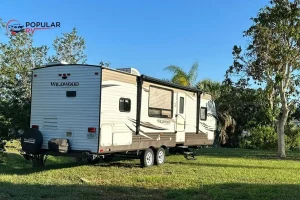
RVs are designed to provide users with comfortable space while staying within road safety limits. Most models stay within the 8.5-foot limit. This space requirement provides sufficient area to accommodate beds, kitchens, and storage space.
However, overall width can change based on RV type, design, and features. Let’s discover every detail you need regarding RV width measurements in this guide.
Breaking Down RV Measurements and Dimensions
RV size involves a variety of dimensions. It includes length, height, and interior space too. Understanding these helps you choose the right one and travel comfortably.
Here are the main measurements:
Width (Side to Side)
This measurement shows how wide the RV extends from its first side to its opposite side. Most RVs fall between 7 and 8.5 feet wide. It excludes mirrors and slide-out items. The vehicle’s width determines how comfortable drivers experience their driving process. The increased width of RVs provides additional living space but creates greater challenges for drivers when operating their vehicles on tight roadways.
Length (Front to Back)
The length of RV vehicles ranges between 10 feet and 40 feet and beyond. Longer RVs provide more space inside. However, they require more space to park and turn. A required space of 40 feet exists at campsites. When planning a trip, it has to be taken into account. A long wide RV will be a big vehicle to operate for a new driver.
Height (Ground to Roof)
RV height usually ranges from 9 to 13 feet. The measurement establishes requirements for bridge and tunnel heights and tree spacing. Height measurement determines how your RV performs because it affects your vehicle’s road stability. The combination of height and width makes taller RVs more vulnerable to wind effects.
Interior vs Exterior Space
Many people confuse interior space with actual width. Interior space depends on layout and furniture placement. Two RVs with the same width can feel very different inside. Smart designs use space more effectively, keeping the RV cool and relaxing. While poor layouts can feel cramped even in wider models.
Why RV Width Matters While Traveling
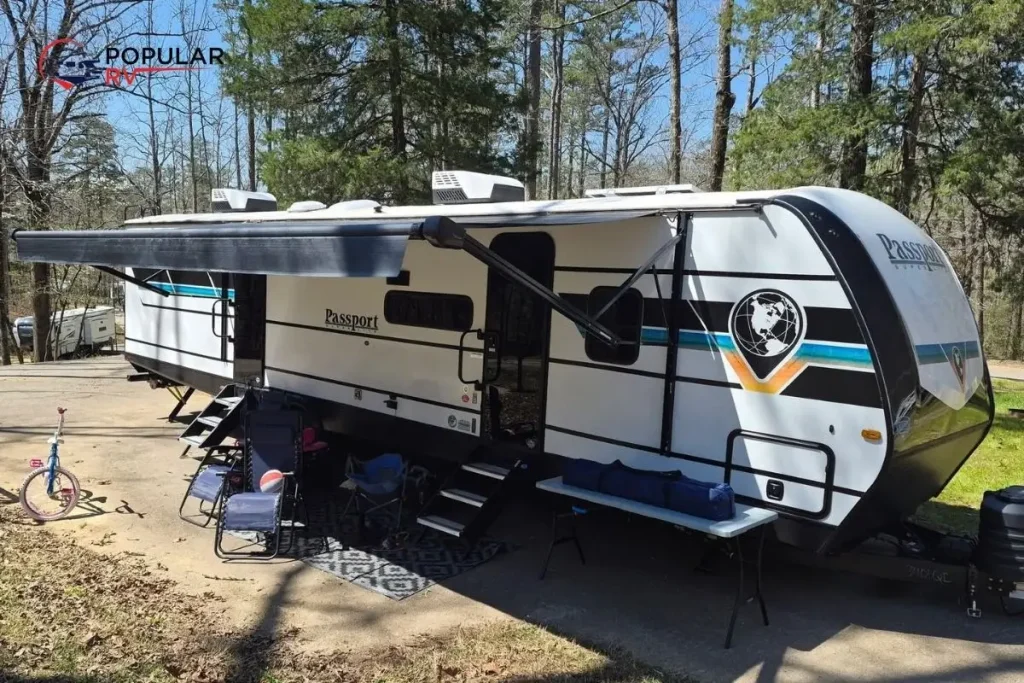
RV width affects safety, driving comfort, and travel convenience. Different widths of an RV influence its driving capabilities, parking needs, and interior dimensions. Small changes in width create significant impacts.
Lane Control and Road Safety
Drivers of wide RVs need to maintain their lane position with greater concentration. Highways provide sufficient lane width for driving vehicles, but narrow roads create a feeling of restricted space. A wider RV takes up more area, causing drivers to experience anxiety. Drivers new to this vehicle size will need time to become comfortable with it.
Ease of Parking and Turning
Parking becomes harder as width increases. You need more space to turn into parking spots or campsites. It can be hard to get around in tight spaces and narrow driveways. In cities, smaller RVs are easier to drive. However, wider ones are better for open highways and big campsites.
Interior Comfort and Space
A wider RV comes with more room inside. You get bigger beds, wider walkways, and more storage. Families often prefer wider RVs because they feel more comfortable and spacious. But driving becomes more difficult because drivers need to operate larger vehicles carefully. Narrow-width RVs with just the essential features are ideal for comfortable driving.
Fuel Efficiency and Handling
Wider RVs create more air resistance. This can reduce fuel efficiency. The vehicle feels heavier while drivers experience increased swaying during strong winds. Drivers need to adjust speed and steering habits. More compact RVs are usually easier to handle and slightly better at fuel savings.
Confidence While Driving Long Distances
Driving multiple hours in a large recreational vehicle creates initial fatigue. Drivers must maintain continuous awareness of both road boundaries and surrounding cars. New RV drivers develop both confidence and control skills through their driving practice. The proper selection of road width decreases driver anxiety while enhancing their ability to travel longer distances.
Width Comparison of Class A, B, and C RVs
RV width can vary based on the type you choose. Each class serves different travel needs, which range from compact travel to full-size living.
Class A RVs
These vehicles represent the most extensive RV designs. The building provides residential space through its extensive dimensions and its broad pathways. The parked vehicle will gain extra space through slide-out features. The vehicle becomes challenging to operate because its design requires drivers to navigate mindfully through narrow streets and compact parking areas.
Class B RVs
The dimensions of this vehicle make it the most compact model among all RV types. It provides drivers with the same parking and driving convenience that they would experience when operating a van. The space inside the vehicle is smaller than typical, but the design serves solo travelers and couples effectively.
Class C RVs
This vehicle exists between two size categories because it occupies a central space. The vehicle provides drivers with a straightforward driving experience while offering multiple spaces for their passengers. Most family and friend groups select this option the most because it provides them with enough room.
Here is a quick overview:
| RV Type | Average Width | Key Feature |
| Class A | 8 to 8.5 feet | Largest and most spacious |
| Class B | 6 to 7 feet | Compact and easy to drive |
| Class C | 7.5 to 8.5 feet | Mid-size with good balance |
RV Width and Size Rules on Roads
Road laws control how wide your RV can be. Most countries follow similar limits. Common rules to know:
- Maximum legal width is usually 8.5 feet (102 inches)
- This limit does not include mirrors in many places
- Some rural roads may have smaller width limits
- Bridges and tunnels can have tighter restrictions
- Different states or regions may set extra rules
- Road signs often warn about narrow passages
- Weight and height rules can also apply along with width
- Checking local laws before travel is always important
Extra rule awareness:
- Permits for oversized RVs are required if width exceeds legal limits
- These permits are usually for custom or modified RVs
- Driving without a permit can result in fines or restrictions
- Permits may also limit which roads you can use
- It is always safer to stay within standard legal width limits
What Has the Biggest Impact on RV Width?
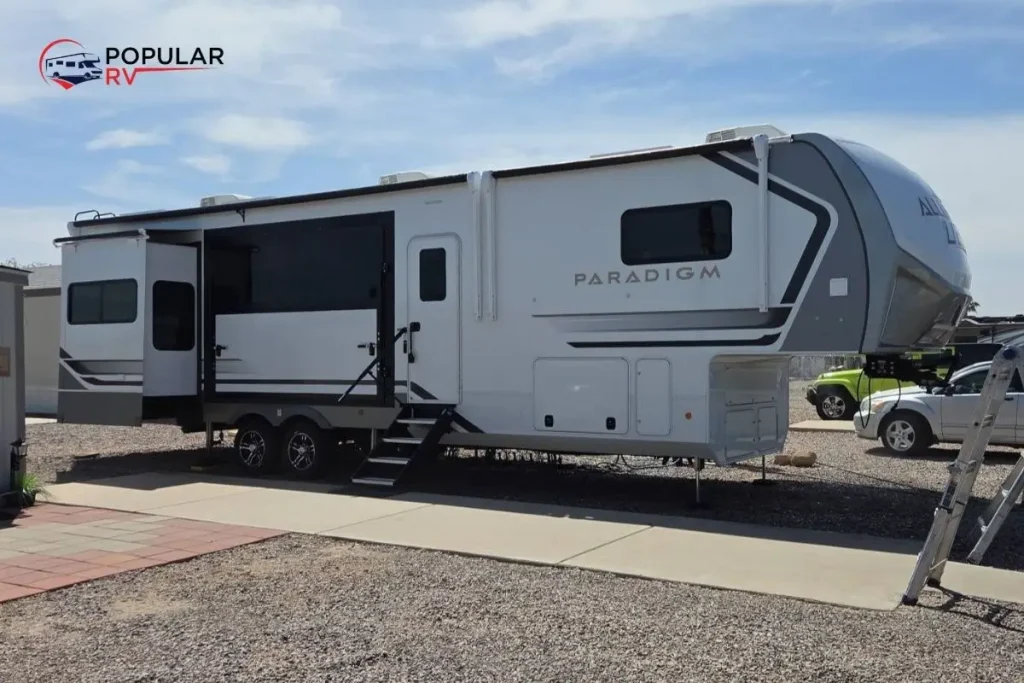
Several factors decide how wide an RV is. It is not just about size but also comfort, safety, and purpose. Such as:
Design and Floor Plan
The layout inside the RV plays a big role in width. Designers aim to create more walking space and comfort. Wider designs allow bigger kitchens, beds, and seating areas. However, they also increase weight and affect handling. Many manufacturers balance width carefully to keep both comfort and road safety.
Slide-Out Features
Slide-outs are expandable sections that increase space when parked. They do not affect driving width but can double the interior space when opened. Some RVs have multiple slide-outs. This feature is popular in larger RVs, especially Class A and C models.
Purpose of the RV
Different RVs are built for different uses. Travel vans are narrow for easy driving. Family RVs are wider for comfort. Luxury RVs are often at the maximum width limit. The purpose directly affects how wide the RV is designed.
Manufacturer Standards
Each brand follows certain design standards. Some focus on compact models, while others build wide luxury units. Materials and construction style also affect final width. Newer models often maximize width within legal limits to offer better space.
Weight Distribution and Stability
The distribution of weight across the RV affects its dimensions. A wider base provides better stability when driving on highways. The system prevents tipping and swaying movements. The performance relies on both height and suspension design elements. The system requires correct weight distribution to achieve proper balance.
Size Capacity at RV Parking And Campsites
Not all campsites can handle every RV size. Width plays a key role when choosing where to park. Key aspects to consider:
- Most campsites usually support RVs up to 8 feet wide
- It’s the measurement without slide-outs and awnings
- Narrow campsites are not suitable for large RVs
- Dedicated RV parking includes space for larger RVs and slide-outs
- Some campsites are designed for smaller RVs only
- Premium sites often offer more space for wider RVs
- Uneven campground can make positioning a wide RV harder
- Access roads inside campsites can be narrow
- Booking in advance helps secure a better-sized spot
- Always consider both parking space and outdoor living area
Typical RV Trailers and Their Size Comparison
RV trailers come in different widths based on their purpose. Some are designed for comfort and space, some for easy mobility. Narrow trailers are easier for beginners. Wider trailers are stable on highways but can feel difficult on tight roads or during reversing. Here is a simple comparison:
| Trailer Type | Average Width | Best For |
| Travel Trailer | 7 to 8.5 feet | Families and long trips |
| Fifth Wheel | 8 to 8.5 feet | Large groups and luxury |
| Teardrop Trailer | 5 to 6 feet | Solo travelers |
| Toy Hauler | 8 to 8.5 feet | Carrying bikes or ATVs |
Choosing the Right RV Width for Your Needs and Lifestyle
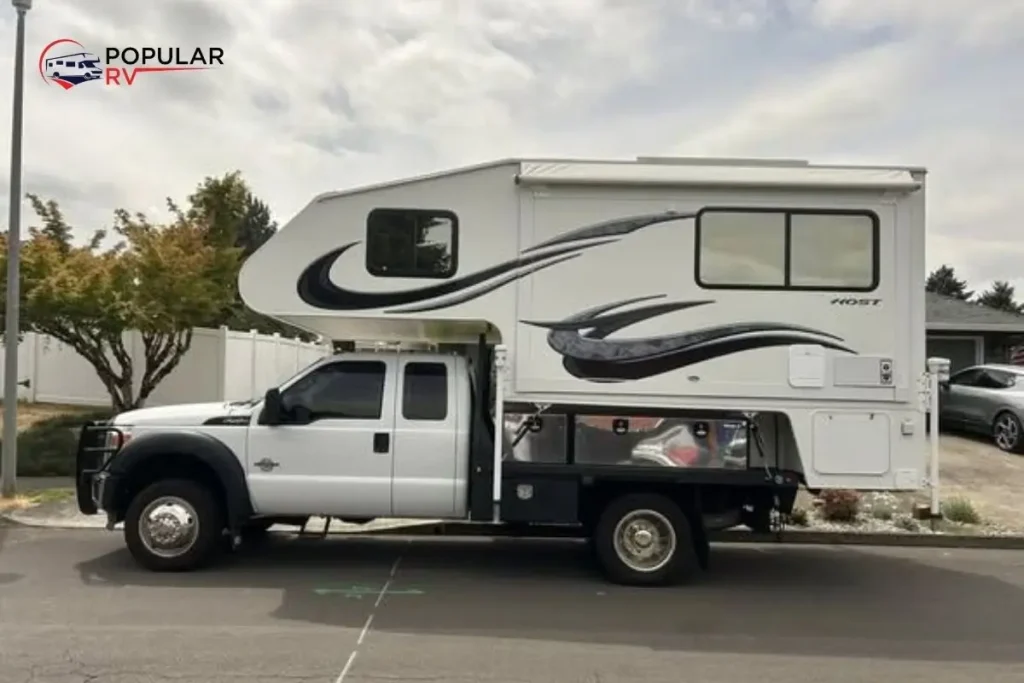
The choice of RV width needs to consider your driving habits and your personal preferences. Some people prefer easy driving while others want more space and comfort. Your personal way of life determines which option serves you best. Here’s some guidance:
For Beginners and City Travel
New RV drivers should choose a narrower vehicle for their first experience. The vehicle becomes easier to handle, park, and reverse. The driver experiences reduced stress when navigating through city streets that have heavy traffic and narrow spaces. The Class B and small Class C vehicles make suitable choices. You can upgrade later once you gain confidence.
For Family Trips and Comfort
Families need space. A wider RV enables a better sleeping area, cooking facility, and relaxing space. Class A or larger Class C RVs are ideal here. The vehicles provide greater space for storage and passenger seating. Although the driving and parking tasks will become somewhat more difficult.
For Long-Term Living
The width of an RV becomes crucial when you intend to use it as your permanent residence. A wider RV provides a living space that resembles a small home. The space includes complete kitchen facilities and larger sleeping areas with additional storage space. Slide-out sections enhance the space. The optimal experience requires a model that approaches maximum width dimensions.
For Budget and Fuel Efficiency
Wider RVs require higher expenses and consume more fuel. If you want to save money, go for a mid-size option. The maintenance costs of narrow RVs remain lower. Their weight is lighter and provides superior fuel efficiency. You should find a middle ground between your need for comfort and your financial limitations.
For Travel Style and Routes
You should assess the locations you will visit most frequently. A narrower RV suits you better when your travel plans include urban areas and mountainous regions. For highway travel and extended driving, wider RVs provide greater comfort. Your preferred travel style also should determine your final decision, which goes beyond vehicle dimensions.
Conclusion
The width of RVs appears to be an unimportant aspect, yet it creates a significant impact. The majority of RVs maintain their dimensions within permitted boundaries because this practice ensures safe and efficient travel. You should evaluate space requirements, driving comfort, and parking options before making your decision. The right width allows you to have a pleasant and effortless travel experience!
Frequently Asked Questions
Do mirrors count in RV width?
No, mirrors are normally not included in official width measurements.
How wide is an RV with slide-outs open?
When slide-outs are extended, an RV can reach 10 to 14 feet in width.
Is RV size the same worldwide?
The different width measurements and heights vary slightly per country. The United States permits RVs to have a width of 8.5 feet. Whereas European countries maintain a width restriction of 8.3 feet.
Does RV width affect toll road charges?
Usually, vehicle size or class determines the tolls. So wider-than-average RVs find themselves in higher toll brackets.