
Monday to Saturday - 8:00 -17:30
Do You Have to Be Buckled in an RV? Seat Belt Laws, Safety Rules, and Travel Tips

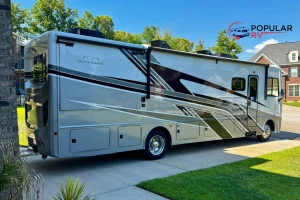
One of the biggest myths about RV travel is that passengers can move around pretty freely while the vehicle is moving, like it’s no big deal. Since motorhomes give you living space beyond the usual seats, a lot of travelers think the seat belt rules get more relaxed.
In reality, the rules can be a bit stricter than you might first think, and they often change depending on where you’re traveling. Figuring out exactly what is required is essential, so the whole trip stays safe and somehow less stressful.
What Does the Law Say About Getting Buckled in an RV
Yeah, the short answer is basically yes. Most individuals riding in an RV should use a seat belt anytime the vehicle is actually moving. But the RV rules are a bit more complicated than the normal passenger car rules people are used to.
At the federal level, there are manufacturing and safety standards for motorhomes, but then each state decides its own seat belt requirements. In almost every state, drivers and front-seat passengers have to wear seat belts, no real surprise there. Now, for the backseat or rear-area passengers, those rules can get different from state to state.
The National Highway Traffic Safety Administration, or NHTSA, says seat belts are still one of the best safety devices in any motor vehicle. Federal rules also call for specific seating positions in many motorhomes to be fitted with seat belts. And sometimes seats not meant for travel are labeled unsafe for occupancy while the vehicle is moving.
Who Is Legally Required to Wear a Seat Belt?
Some states treat seat belt violations as primary offenses, which means an officer can pull you over just for a seat belt issue. Other states go with secondary enforcement. In other words, they first need some other traffic violation before a seat belt citation can even happen. The following groups are usually expected to buckle up in most states:
| Occupant | Typical Requirement |
| Driver | Must wear seat belt |
| Front-seat passenger | Must wear seat belt |
| Children | Must follow child restraint laws |
| Rear passengers in designated seats | Often required, depending on state law |
| Passengers in seats without belts | Rules vary by state and seating design |
Differences in Seat Belts by RV Category
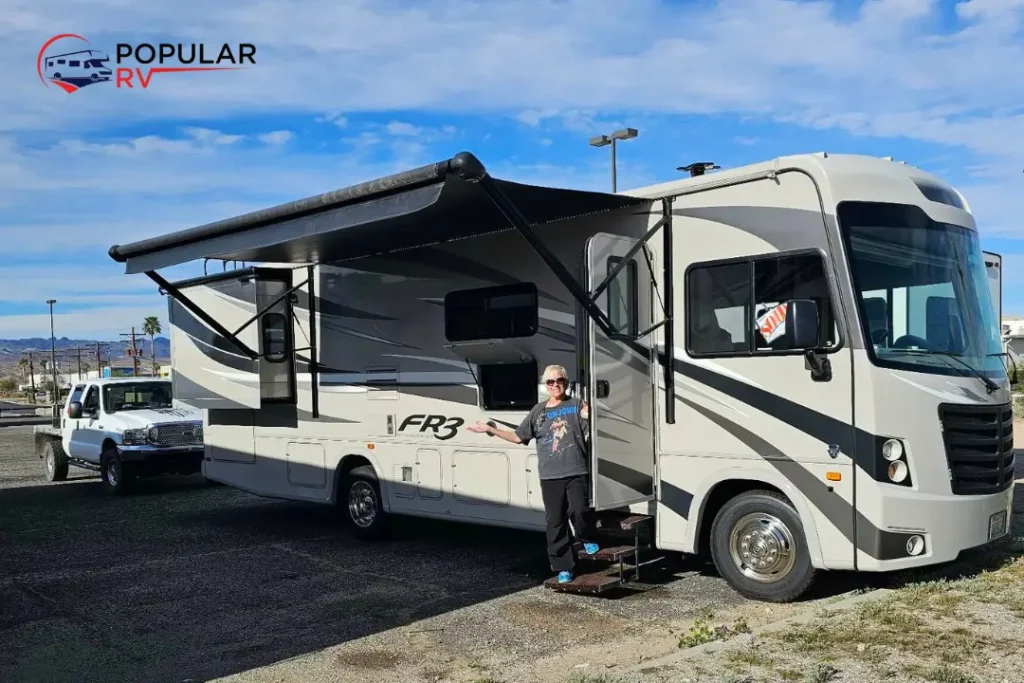
Not all RVs for living are designed the same way. Seat belt availability depends heavily on the RV classification.
Class A Motorhomes
These large bus-style motorhomes often have seat belts in front seats and selected passenger seating areas.
- Living area limitations: Many Class A motorhomes come with sofas, a dining area, and lounge chairs. Some have seat belts, and others are posted as not safe to use during travel. Passengers should only sit in seats that the manufacturer says are travel-approved when the vehicle is moving.
- Higher passenger capacity: Since they are so big, Class A motorhomes can host more people. Still, “sleeping” capacity isn’t the same thing as “riding” capacity. What really matters is how many seat belts are available, because that is the count for safe transport.
Class B RVs
- Van-based construction: Class B caravans are usually built on cargo van platforms. In many cases, the seating spots come with factory-installed seat belts, much like you’d see in regular passenger vans. Because of that, meeting seat belt requirements is often a lot simpler compared with other categories.
Class C Motorhomes
- Balanced design: Class C motorhomes typically include the cab seats plus extra belted seating in dinette areas. Families often pick these RVs because they offer more designated travel seats than some bigger Class A models.
Towable RVs
- No passenger riding allowed: Travel trailers and fifth wheels are not meant for passengers while being towed. People should never ride inside those units during travel.
How State Laws Affect RV Seat Belt Requirements
State laws are the biggest factor affecting RV seat belt requirements. NHTSA summarizes seat belt laws state by state, and it gets updated regularly as well. In a few places, the idea is simple: everyone riding in a motor vehicle has to wear a seat belt.
In others, the focus is more on front-seat passengers and the children. Since RV travelers often cross state lines, they can run into differing requirements during a single trip, which can be a hassle.
Important state law considerations to keep in mind:
- States can require all passengers occupying a seat equipped with a seat belt to use it.
- Child restraint laws often remain strict regardless of vehicle type.
- Seat belt enforcement may be primary or secondary.
- Penalties and fines vary significantly between states.
Why Seat Belts Matter in Large Motorhomes
A lot of travelers think big RVs act like natural shields, just because they’re large. But honestly, the size of the vehicle alone doesn’t remove the crash risks, not even a little. Seat belts do matter, especially in large motorhomes, because:
- Crash forces still feel intense: When there’s a sudden stop or a collision, passengers tend to keep going forward. Seat belts help keep people inside from getting tossed around the space, even if everything else is sudden.
- Inside hazards are real: Tables, cabinets, appliances, and countertops can lead to painful injuries if a loosely confined passenger bumps into them during a crash.
- It also reduces driver distractions: when passengers remain seated and buckled, drivers can focus on the road rather than spending attention on what’s moving around inside the RV.
- Helps lower the intensity of injuries: Even during small accidents, seat belts can reduce the chances of serious damage and also medical complications.
- Rollover safety is a big deal: Rollovers aren’t super common in RVs, but they can happen. Seat belts make it easier to keep passengers in a safer placement during those moments.
Hidden Risks of Riding Unbuckled in an RV
Some passengers feel pretty at ease walking around and doing chores while the RV moves down the highway. It might look like nothing big, but it actually brings real hazards. Safety organizations keep saying to stay seated and buckle up every time the vehicle is rolling for a reason.
Common dangers of riding unbuckled:
Being Thrown During Sudden Braking
A driver might have to slow down or stop instantly due to traffic, wildlife, road debris, or maybe even another vehicle. If a passenger is not buckled in properly, they can get thrown a few feet across the RV in just seconds.
Impact with Interior Furniture
Most motorhomes have plenty of hard, unforgiving surfaces. Dinette tabletops, kitchen counters, and cabinet fronts have sturdy surfaces. They can turn into nasty impact spots during a collision or a quick rotation.
Ejection Risks
In harsher crashes, an unrestrained occupant may be pushed out very strongly. It can happen, partly or fully, from wherever they were sitting inside the RV. And that raises the odds of catastrophic injuries fast.
Injury to Other Occupants
A person who is moving around inside becomes a kind of projectile during an accident. Their body weight and momentum can injure other people onboard too, even if those others are sitting where they should be.
Balance Issues During Turns
Losing balance is common when you change lanes, take a curve, or dodge something in the road. A person without a seatbelt may lose their balance and fall quite easily. Also, injuries can absolutely happen even if there is no crash.
Seat Belt Rules for Children in an RV
Child safety laws are typically stricter than adult seat belt rules. Kids are among the most at-risk people in any crash, so getting the right precautionary measures really matters.
Each state has child passenger restraint requirements, which say young children have to use a car seat, a booster seat, or regular seat belts, depending on age, weight, and height.
Key child safety guidelines:
| Child Category | Typical Requirement |
| Infants | Rear-facing child seat |
| Toddlers | Forward-facing child seat |
| Young children | Booster seat |
| Older children | Seat belt when properly fitted |
Parents should also keep these points in mind:
- Do not let children sleep on the beds while the RV is moving.
- Use only the seating spots that are approved by the RV manufacturer.
- Double-check that child safety belts are installed so they’re secure and correct.
- Obey both state law and the manufacturer’s directions.
Fines and Penalties for Not Wearing a Seat Belt
If you don’t wear a seat belt, you could end up with penalty fees and serious legal violations. In many places, child restraint issues come with bigger penalties than what adults usually face for not buckling up. Also, even if the ticket or fine looks quite small at first, the injury expenses from a crash can be way more than that.
The exact number really depends on state law, but you’ll often see penalties like these, or something pretty close:
- Traffic citations
- Monetary fines
- Additional court costs
- Increased penalties for child restraint violations
- Possible insurance complications after an accident
RV Manufacturer Safety Recommendations
RV manufacturers provide important guidance regarding safe travel practices. Take these into consideration:
Follow the Approved Seating Spots
Manufacturers design certain seats especially for rides in transit. These chair positions are tested and fitted with the right restraints in a way that’s not randomly selected. So, occupants should stay put in those same locations whenever the RV is moving, even if it feels inconvenient a little.
Respect the Occupancy Signs
A few sofas, foldaway beds, or lounge corners have labels saying they are not meant to be sat in during travel. If you just ignore those warnings, you quietly add safety risks. And yes, it can also bring liability problems because someone did not follow the guidance.
Use Seat Belts That Came From the Factory
The factory-installed restraints are planned to work with the vehicle structure. Any homemade adjustments may not give the kind of crash protection you think they do unless they’re installed and certified by a qualified professional. Otherwise, it’s basically a gamble with consequences.
Read the Owner’s Handbook
Each RV model is a bit different. The provided manual for the specific RV model gives crucial details about the acceptable seating places, security systems, and passenger limits. If you skip it, you might miss the exact rules that apply to your setup.
Buckling Tips for Safe RV Travel and Driving
Correct RV travel is more than just buckling up. It’s more of a full-blown safeguarding arrangement. Stick to these basic habits below. They can quietly cut down travel risks quite a lot while also boosting your everyday ease on the road.
Before Departure:
- Count available seat belts and passenger seating positions.
- Verify that every traveler has an approved seat.
- Inspect belts for damage or wear.
- Confirm child seats are properly installed.
During Travel:
- Keep everyone seated and tied.
- Prevent passengers from standing or walking around.
- Secure loose objects and cargo.
- Make rest stops for meals, washroom breaks, and physical activity.
For Long Road Trips:
- Plan frequent breaks every few hours.
- Rotate drivers when possible.
- Monitor weather conditions.
- Reduce speed during heavy traffic or on bad roads.
Before leaving, you can also always adhere to this quick safety checklist:
- Seat belt on
- Child restraints secured
- Cabinets latched
- Loose items stored
- Passengers seated
- Route planned
Conclusion
So, do you have to be buckled in an RV? Yes, in most situations, you’re expected to. Drivers, front-seat passengers, and kids are usually required to wear seat belts. For rear passengers, it gets a bit messy because it really depends on the state rules and on the seating setup, or how the vehicle is designed. Either way, even if the law seems contradictory, staying seated the whole time and getting properly restrained is the safest move.
Frequently Asked Questions
Can passengers walk around in an RV while driving?
Just walking around in a moving RV is kind of unsafe, and well it it also boosts the odds of getting hurt. Even a small trip or sudden turn can turn into an incident pretty fast.
Is it legal to sleep in a moving motorhome?
Laws vary by state, but falling asleep unrestrained while the RV is moving is generally discouraged.
Are seat belts required in the back of a motorhome?
Different states have their own rules, and it kind of depends. But usually, if seat belts are available, then you have to use them.
Does RV insurance cover injuries if someone was not buckled in?
Coverage depends on the specific policy, but not wearing a seat belt may affect the claim.
Can I install additional seat belts in my RV?
Of course, but they should be installed professionally to meet the safety standards and keep things safe overall.