
Monday to Saturday - 8:00 -17:30
What Size Generator Do I Need for My RV? A Simple Guide

A generator can make your RV travel more comfortable and convenient in a way you kind of notice right away. When shore power is missing, it can run the key appliances, even though it might not feel like that at first. Still, picking the wrong size can get you annoyed, burn extra fuel, and sometimes cause equipment problems.
If you understand your power needs before you buy a generator, you’ll end up with a far smarter investment. This guide covers generator sizing with simplicity, so you can choose the right generator for your RV and the way you like to travel.
Why Generator Size Is Important for Your RV
Most RV owners look at the generator price or brand first. But generator size is, if you think about it, the real big thing. Get the size wrong or too small, and it can have a hard time powering your appliances. Go the other way and get one too large, and it can end up costing more than it should, plus it may sip extra fuel like it’s nothing.
A proper generator size gives you a few benefits that you will be thankful for:
Reliable Power Supply
If you get a properly sized generator, it can keep your important appliances running without those annoying interruptions. It should deliver enough electricity to cover things like air conditioners, refrigerators, microwaves, lighting, and also charging devices. This way, you can have a more relaxed camping time, whether you’re parked at a campground or out boondocking in faraway places.
Better Fuel Efficiency
Generators tend to work at their best when they’re fed an appropriate load. If the unit is too large, it often burns fuel that you really don’t need, even though nothing “extra” is going on. A correctly sized generator delivers the power you actually require while reducing fuel use, and that can really help you keep costs down on long trips and extended RV camping days.
Longer Equipment Life
Pushing a smaller generator past what it can handle can lead to overheating and extra wear. The parts then work harder than they were intended to do, and that may shorten the generator’s lifespan. By selecting the proper size, you cut down on strain on the machine, and you’re more likely to get dependable performance for many years.
Improved Safety
Electrical overloads can break appliances, and they can also become a real safety concern. With a properly sized generator, you get a steadier power output, and that helps lower the chances of circuit overloads too. So your RV electrical system is better protected, along with the devices that are connected to it, in the moment.
Starting Watts vs Running Watts Explained
One of the most important ideas in generator sizing is pretty much grasping the gap between starting watts and running watts. Running watts are the steady watts an appliance really needs once it’s already going. Starting watts are the extra watts required for a brief moment when certain things begin up
Most appliances that use motors tend to ask for extra juice at the start. Air conditioners, refrigerators, and water pumps are pretty common cases. So when you size a generator, you should always factor in the largest starting watt demand.
Here is a short demonstration:
| Appliance | Running Watts | Starting Watts |
| RV Air Conditioner | 1,500 | 3,000 |
| Refrigerator | 200 | 600 |
| Microwave | 1,000 | 1,000 |
| Water Pump | 300 | 600 |
| Coffee Maker | 900 | 900 |
How Many Watts Does an RV Typically Need?
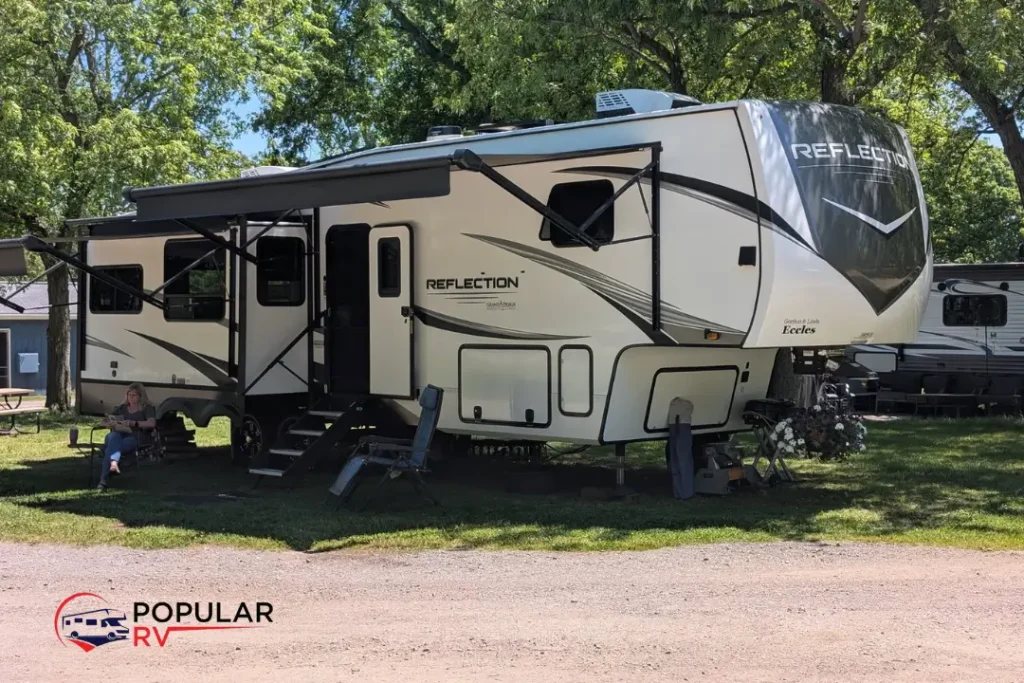
Each RV is somewhat unique. Most RV owners sort of notice that a generator sitting between 3,000 and 5,000 watts usually covers everyday camping needs. Smaller travel trailers tend to run fine with roughly 2,000–3,000 watts. Meanwhile, Class A motorhomes will typically ask for about 5,500–8,000+ watts, depending on what is needed.
Just keep in mind that the more devices you’re trying to run at the same time, the larger that generator should be. Your real requirements will depend on:
- Number of air conditioners
- Microwave usage
- Electric water heater
- Coffee machine
- Television and entertainment systems
- Battery charging demands
- Additional appliances.
Different Types of RV Generators Explained
RV generators come in several styles. Each has advantages and limitations. For example:
Portable Generators
Portable generators are kind of popular, mostly because they’re affordable and pretty flexible. You can store them on their own and then use them for other purposes, beyond RV camping, of course. Lots of newer inverter-style portable generators feel lightweight, use fuel efficiently, and are simple to move around.
Built-In Generators
Built-in generators are installed right inside the RV. They usually start fast and connect to the RV electrical system without much fuss. You’ll see these more in larger motorhomes, and they feel like extra convenience for frequent travelers, especially when you do the same route over and over.
Inverter Generators
Inverter generators generate cleaner electricity than your more traditional kind, so they are better suited for sensitive electronics like laptops, televisions, and smartphones. They also usually run quieter and sip fuel less often, which makes them a go-to option for RV owners and campers.
Conventional Generators
Conventional generators generally can deliver higher power output for a lower purchase price. They are a decent fit for big electrical needs, but they are usually louder, and they tend to be less fuel-efficient than inverter models.
Calculate Your RV Power Needs and Electrical System
Figuring out how much power you’ll need is easier than most people think. Follow these steps:
- List every appliance you use regularly.
- Record each appliance’s running wattage.
- Identify appliances with starting watt requirements.
- Add the running watts together.
- Add the largest startup surge.
- Include a safety margin of 15% to 20%.
Here are a few estimations of your power needs:
| Appliance | Running Watts |
| Air Conditioner | 1,500 |
| Microwave | 1,000 |
| Refrigerator | 200 |
| Television | 150 |
| Battery Charger | 300 |
| Lights | 150 |
Total Running Watts: 3,300
Assume the air conditioner requires 3,000 starting watts.
So, required generator size:
3,300 + 1,500 surge difference = 4,800 watts
A generator with about 5,000 watts is recommended when a safety margin is added. This method avoids overloads and makes room for the future power requirements.
Make a Power Plan of Appliances You Use
Making a power plan will let you figure out what electricity you actually need. A lot of RV owners end up realizing they don’t really run every appliance at the same time, ever. Several things to keep in mind:
Essential Appliances
Start with the stuff you just can’t camp without. These are the everyday essentials that sort of keep your RV comfy and workable. Just think, what do you actually use from morning to night. Once you know your core power demands, it gives you a pretty clear picture about the absolute minimum generator size you need for dependable travel.
Occasional Appliances
Some items are only used for a few minutes at a time. They may need a lot of power, but they do not run all day. Because these loads are temporary, you usually do not need to size your generator to handle every one of them at the same moment.
Entertainment Devices
Most entertainment equipment uses relatively little electricity on its own. The challenge comes when several devices are running together for long periods. Adding these smaller power users to your plan helps create a more accurate estimate of your daily energy needs.
Future Additions
It’s a good idea to think ahead a bit before getting a generator. Your power needs might grow over time, especially as your whole setup changes. If you pick a generator with a little extra capacity now, it can end up saving you money and also help you avoid that annoying upgrade later.
Seasonal Power Needs
Your electricity use can shift across the year. Short RV trips in hot summer months and long stays may ask for more power because of air conditioning. In colder seasons, you can see a different kind of demand, rhythm, and the same story. Seeing when and where you travel can guide you toward a generator that stays reliable across many conditions, not just one.
Typical Generator Size for Different RV Classes
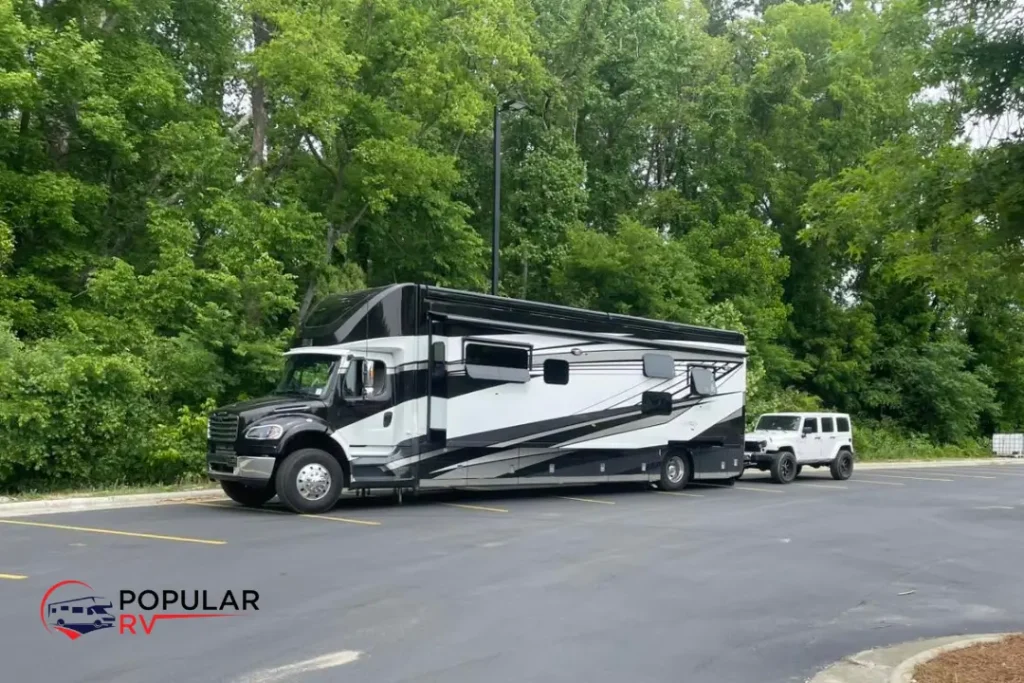
Different RV classes depend on different generator capacities, which are focused on what you’re doing and how much load you pull.
Here’s a quick summary:
| RV Type | Typical Generator Size |
| Teardrop Trailer | About 2,000 watts is enough for most trips. |
| Pop-Up Camper | Most campers need 2,000 to 3,000 watts. |
| Travel Trailer | A 3,000 to 4,500-watt generator works well. |
| Fifth Wheel | Most fifth wheels need 4,000 to 6,500 watts. |
| Class B Camper Van | Around 2,000 to 3,500 watts is usually enough. |
| Class C Motorhome | Many Class C RVs use 4,000 to 6,500 watts. |
| Class A Motorhome | Larger Class A RVs often need 5,500 to 10,000 watts. |
Fuel Types and Their Impact on Generator Size
The generator fuel type can end up shaping performance, day-to-day convenience, and the overall running expenses.
Gasoline
Gasoline generators are pretty easy to find and simple to refuel. Usually, they have strong power output, and the upfront price is lower too. Still, gasoline storage life is limited, so for long sitting times, it may need fuel stabilizers during those periods.
Propane
Propane tends to burn cleaner than gasoline, and it keeps well for extended storage. A lot of RV owners already have propane tanks around, so refilling is more convenient. On the other hand, propane generators may deliver a little less power than similar gasoline units.
Diesel
Diesel generators show up often in larger motorhomes. They’re durable and fuel-effective, plus they can take heavy use without much drama. Even if the initial costs run higher, a diesel generator often lasts longer and manages bigger power demands in a far more steady way.
Dual-Fuel Generators
Dual-fuel-based generators can run on gasoline or propane, and that option matters as well. You get more than one fuel strategy while traveling, which is kinda reassuring. Many RV owners prefer to have a backup fuel source when camping in remote areas.
Things to Consider Before Purchasing an RV Generator
A good setup starts with working RV seat belts and a properly sized generator. A few factors should guide your purchase. Such as:
- Noise Level: A running generator that’s quieter makes camping more pleasant, as it won’t bother locals nearby.
- Runtime: More runtime tends to mean fewer refuel sessions, day or night.
- Maintenance Needs: If maintenance is laid back and straightforward, you’ll waste less time and energy.
- Weight and Transportability: Pick a size that you can move, lift, and safely store without too much work.
- Budget: Try to get a solid value without taking away reliability.
- Fuel Type: Think about which fuel option works best for your kind of travel.
- Fuel Efficiency: Using efficient generators means you burn less fuel, and it helps bring down the operating costs.
- Available Storage Space: Check that the generator actually fits nicely in your RV or in that storage compartment you have, because otherwise, it’s kind of annoying later.
- Power Expansion Options: Some generator models can be linked together with another unit later if you want extra output, so you don’t have to replace everything right away.
Choosing a Generator Size for Specific Travel Goals
Your camping style often determines the ideal generator size. If you mostly park in built campgrounds, your generator might just act as a spare, not the main thing. If you regularly boondock, or you’re living on your own more often than not, then a bigger generator becomes kind of unavoidable, since extended power needs can add up pretty quick.
Think about how frequently you move around, where you actually camp, and which amenities you care about most. Your travel patterns should guide your final generator decision just as much as the watt math does, honestly.
| Travel Style | Typical Generator Size |
| Weekend Camping | Usually 2,000–3,000 watts |
| Occasional Dry Camping | Around 3,000–4,000 watts |
| Full-Time RV Living | Often 4,500–7,000 watts |
| Large Motorhome Travel | Usually 6,000–10,000 watts |
| Running Multiple Air Conditioners | Often 7,000+ watts |
Conclusion
Picking the right generator really starts with figuring out what you actually need for power. Look into what you use most while you’re on the highway. Your trip style matters too, like slow touring vs. quick stops. A good generator gives you steadier output, and yes, usually it also stretches fuel use better. With some small planning, you can end up enjoying your RV adventures with a lot less power concerns!
Frequently Asked Questions
What happens if my generator is too small?
If a generator is too small, it might overload and shut down, or it may not start certain appliances. And if you keep doing that, repeated overloading can also slowly damage the generator over time.
Can two smaller generators be connected together?
Yeah, quite a few inverter generators can run in parallel, so two of them can kind of merge their output into one bigger power stream. But before you do anything like that, look at the maker’s compatibility rules first.
Does generator size affect noise levels?
Usually, bigger conventional generators can be louder, yet the whole design is more important than the size alone.