
Monday to Saturday - 8:00 -17:30
How to Keep RV Cool in Summer: Top Cooling Secrets and Techniques

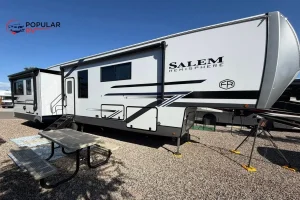
Maintaining a cooler environment in an RV system becomes an ongoing struggle in summer. Few areas reach high temperatures because they receive direct sunlight. But you have the ability to manage nearly all the heat in the situation.
Your RV will maintain its comfort throughout hot weather when you use proper habits together with the right equipment and modifications. This guide presents you with straightforward methods to stay cool during your RV trip that are both easy to implement and practical.
Why RVs Get So Hot in Summer
RVs trap heat quickly. The structure is compact, and insulation is often limited compared to houses. Metal surfaces and large windows absorb sunlight all day. Once heat builds up, it stays inside. Even a mild sunny day can turn your RV into an oven.
Here are the main reasons:
- Thin walls and roof let heat enter easily
- Large windows act like heat magnets
- Small spaces heat up faster than larger homes
- Appliances add extra warmth
- Limited airflow traps hot air inside
- Dark exterior colors absorb more sunlight
- Poor roof ventilation holds rising hot air
- Parking in direct sun all day increases heat buildup
- Slide-outs can reduce insulation efficiency
- Warm air leaks in through doors and seals
- Engine heat lingers after driving
- Lack of shade around the RV
- Heat from the ground rises into the RV
Smart Parking Choices That Keep You Cool
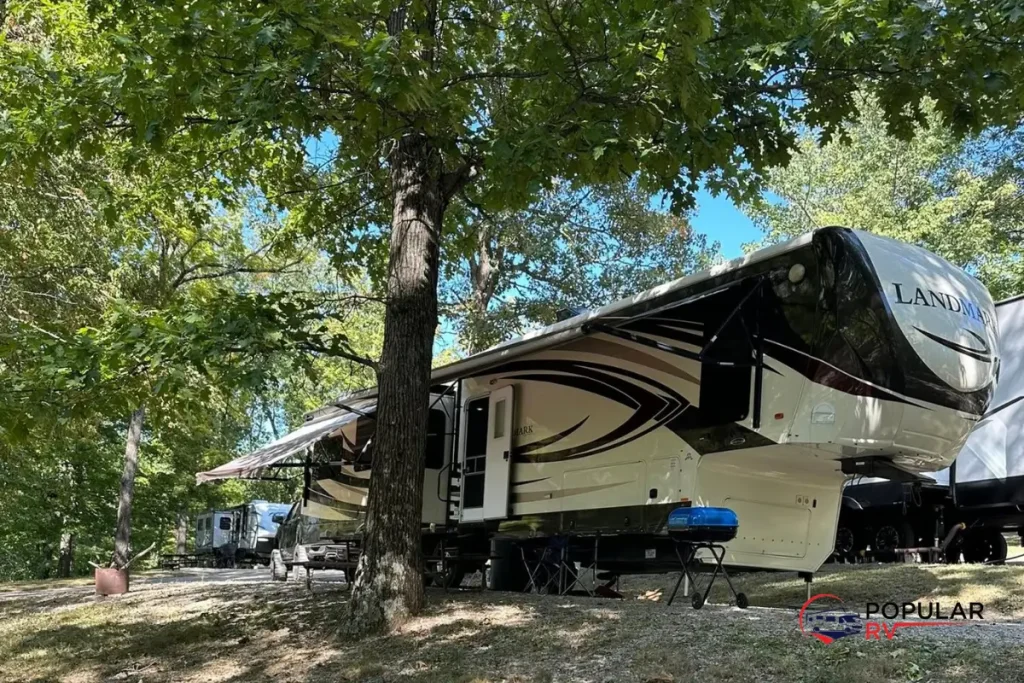
Your choice of parking location has a significant impact on your situation. The internal temperature of your RV decreases with several directional or shading adjustments.
Choose natural shade whenever possible
You should choose natural shade whenever you have the opportunity. The most effective method to maintain coolness involves parking beneath trees. Tree shade prevents direct sunlight from reaching the RV, which includes all areas of its roof and windows. The indoor temperature drop also occurs because it creates a cooler environment. Try arriving at the site before other campers to get the best shaded area.
Find a good place to park your RV
Always consider the direction of the sun. Your parking area should keep your biggest windows away from direct afternoon sunlight. The system provides protection against extreme temperature conditions that occur during the hottest time of day. Your RV will experience better thermal performance when you select a smart location. Because it will reduce your need for cooling systems.
Stay away from heat-reflecting surfaces
You should avoid parking your RV on surfaces that reflect heat. The heat absorption of asphalt and concrete surfaces leads to their ability to reflect heat back to your RV, which results in increased temperatures in the surrounding area. The surfaces of grass, soil, and gravel provide a better parking option. Because they maintain cooler temperatures, which decreases heat buildup around your RV.
Block Sunlight Before It Enters the RV
The most effective method for maintaining coolness inside an RV involves blocking sunlight early. The process becomes more difficult after the heat entry occurs.
Consider the following strategies:
- Use reflective window covers to expel sunlight
- Thermal or blackout blinds work great during peak sun hours
- Insulate windows with available materials
- Utilize foam boards and bubble wrap, along with thermal curtains
- Installation of exterior shades and awnings is a great idea
- Try window tint film as a permanent solution
- Use light colors for curtains or covers
- The combination of all methods produces superior results
Even a mild change can create several impacts on RV temperature. Here are the benefits of these sun-blocking methods:
| Method | Benefit | Best Time to Use |
| Reflective window covers | Reflect heat away | Long sunshine hours |
| Thermal / blackout curtains | Block direct sunlight | Late morning or afternoon |
| Foam boards / bubble wrap | Add heat barrier | Peak heat hours |
| Exterior shades / awnings | Put the sun behind the glass | Daytime |
| Window tint film | Cut UV and heat | All day |
| Light-colored curtains | Reflect heat inside | Daytime |
Airflow and Ventilation Tips and Tricks
Airflow functions as the primary method for controlling temperature. The absence of ventilation in your RV results in permanent heat confinement within the vehicle. Follow these simple tips:
Create cross-ventilation for better airflow
Cross airflow in the RV space can be achieved by opening windows on opposite sides of the vehicle. It allows fresh air to enter while pushing hot air out of the room. The system represents one of the simplest methods to cool your space without using power, which operates best under natural wind conditions outside.
Use roof vents to release hot air
Hot air rises and begins to build up close to the ceiling. The opening of roof vents creates an escape route for the accumulated heat. This arrangement operates as a natural cooling mechanism. It maintains air circulation throughout the RV. Combine this with the open windows down below to get an even better result.
Install or use portable fans
Inside the RV, fans serve as great tools that enhance air movement. The system helps to distribute cool air throughout the space while stopping the formation of hot areas. The optimal fan placement requires fans to be positioned close to windows and vents. The total comfort of a space increases with the addition of small fans.
Install vent covers for airflow even in rain
Vent covers serve a vital function by enabling you to maintain open roof vents during rainy weather. It enables hot air to escape from the RV while blocking water from entering the vehicle. It also provides continuous airflow, which stops moisture from accumulating inside the building space. This simple upgrade enables your RV to maintain ventilation during rain while achieving cooler temperatures and improved fresh air circulation.
Crack windows slightly when parked
The RV interior experiences lower heat accumulation through windows if they remain open at all times. The system enables trapped hot air to escape while fresh air enters the space. The process becomes more effective when roof vents and fans are used together. The opening needs to remain small enough to maintain protection against rain and insects.
Use Your RV Air Conditioner Efficiently
Your air conditioner works best when used smartly. Running it without a strategy wastes energy and reduces its effectiveness. Here are some helpful ways:
- Start cooling early in the day – Turn on your AC before the RV gets too hot. Early cooling is easier and faster than cooling a heated space. It also reduces pressure on the system.
- Seal your RV properly – Close holes around doors and windows. These gaps let hot air in and cool air out. Simple weather strips can improve cooling quickly.
- Keep filters clean and maintained – Dirty filters reduce airflow and cooling power. Clean them regularly during summer use. It helps your AC work efficiently and use less energy.
- Avoid opening doors too often – Frequent door opening lets hot air flood in. Try to keep RV doors closed as much as possible. This helps your AC maintain a stable temperature.
- Don’t overload your RV interior with heat sources – Too many electronics or cooking inside adds heat. Use appliances wisely during hot hours. Less heat inside means faster cooling.
- Use AC with fans for better circulation – Fans help spread cool air evenly. This reduces hot spots inside the RV. It also makes the AC feel more effective.
Add Shade and Exterior Protection
Exterior protection helps block heat even before it reaches your RV. This is more effective than cooling the inside later.
RV Shade and Exterior Options:
- RV roof awnings: Roof awnings create shade, block direct sunlight from the top, and help reduce heat buildup inside.
- Portable shade tents: Portable shade tents are easy to set up and provide flexible shade to reduce direct sun exposure near your RV.
- Reflective roof covers: Reflective roof covers bounce sunlight away from the roof and help lower indoor temperatures effectively.
- RV window awnings: These small awnings block direct sunlight from hitting windows and help keep the interior cooler.
- Shade cloth panels: Shade cloth can be attached outside to block sunlight while still allowing airflow.
- Pop-up canopy: A pop-up canopy gives quick, wide shade coverage and helps lower the temperature around your RV.
- Trees and natural shade: Parking under trees provides natural cooling and reduces direct sun exposure throughout the day.
- Reflective tarps: Reflective tarps can be placed over parts of the RV to bounce sunlight away and reduce heat buildup.
- Umbrellas for targeted shade: Outdoor umbrellas have large dimensions and can create sunlight barriers that protect specific outdoor spaces, such as doors and windows.
- Slide-out toppers: They create shaded areas on their extended parts, which decreases the amount of sunlight entering through the open slide-out roof sections.
- Side shade extensions: These attachments to your awning increase shade coverage by extending protection to both sides of the area.
Reduce Heat from Inside Activities
The heat inside your RV originates from both outdoor sources and indoor activities. Your RV experiences additional heat gain because of the daily activities that occur inside the vehicle. Reducing heat inside helps control expenses, along with learning how much to rent an RV.
Here are some common heat sources:
| Activity | Heat Impact | Better Option |
| Cooking on stove | High heat | Cook outside |
| Using oven | Very high heat | Avoid in summer |
| Long showers | Adds humidity | Keep showers short |
| Incandescent bulbs | Moderate heat | Switch to LED lights |
| Running dryer | High heat | Air-dry clothes |
| Refrigerator opening | Lets warm air in | Open less often |
| Boiling water | High heat | Use electric kettle outside |
Quick Tips:
- Cook food outside whenever you get the chance
- Use LED lights as a replacement for standard bulbs
- Switch off all devices that you do not need
- Do not operate any appliances that generate heat during daylight hours
- Take showers early morning or late evening
- Try your best to keep the refrigerator door closed
- Let hot food cool before bringing it inside
- Unplug chargers when devices are fully charged
- Use cold meals like salads on very hot days
- Switch off unnecessary lights during daytime
Night Cooling Strategy That Actually Works
The most effective natural RV cooling period occurs during nighttime. You must take advantage of this period for cooling purposes.
Effective night routine for RV cooling:
- Open windows after sunset – The outside cool air can enter the building to replace the hot air that exists inside. The natural cooling system achieves optimal performance in regions that experience colder temperatures during the night.
- Use fans for circulation – The fans in the RV assist with distributing cool air throughout the space. The setup involves placing fans at window locations to draw in fresh air, which enters through those openings.
- Trap cool air in the morning –The process of capturing cool air begins in the morning. All windows with curtains and vents need closure before the day enters its heating phase. It traps chilled air while it reduces heat accumulation.
Daily RV Travel Habits for Staying Cool
Your daily routine affects how hot your RV gets. Smart habits help you stay comfortable without extra effort.
Simple Daily RV Travel Habits:
- Travel early in the morning or late evening
- Avoid driving during peak heat hours
- Plan stops near water or cooler regions
- Wear breathable fabrics like cotton inside the RV
- Stay hydrated and park in the shade whenever you can
- Open windows during cooler hours for fresh air
- Limit door opening to keep cool air inside
- Use bedding that is lightweight and soft in color
- Appliances should be turned off before leaving
- Close blinds and curtains before leaving the RV
Conclusion
You need to make smart decisions to maintain your RV at a cool temperature. Your comfort needs do not require you to purchase costly equipment. The implementation of basic changes together with the development of new routines will help achieve substantial improvement. It will allow you to experience relaxing trips while keeping your RV safe from any heat-related difficulties!
Frequently Asked Questions
How hot can an RV get in summer?
An RV can reach over 100°F (38°C) inside when parked in direct sunlight without ventilation.
Is it safe to run an RV AC all day?
Yes. It is safe provided your power supply has the capacity to handle it, and it is well-maintained.
How can I cool my RV without electricity?
Use shade, open windows at night, and improve airflow with vents and fans.
Does RV parking under trees work?
Undoubtedly, trees provide cooling shadows, which keep the heat at bay by limiting direct sunlight.