
Monday to Saturday - 8:00 -17:30
What is a Class A RV? A Simple Guide to Features, Costs, and Benefits

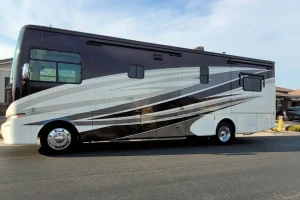
Dreaming about those long road trips, quiet campsites, or maybe even living on the move full-time? A Class A RV is usually the first thing people picture. It looks like a home on wheels, and honestly, it feels quite a bit larger than a typical camper.
Still, the size, the comfort level, and the actual cost, they all matter a lot. So before you buy or rent one, it helps to really know what makes a Class A RV special and if it matches your kind of travel plans and your style.
What Sets a Class A RV Apart From the Rest?
A Class A RV is the biggest and most luxurious kind of motorhome. It’s kind of like the premier option you see on the road. It is put on a heavy-duty frame, and it often gives off a bus-style look from the outside. Most people pick it because you get more living space, extra storage room, and a smoother comfort level, especially when you’re away for days.
Unlike travel trailers, a Class A RV includes its own power unit. You drive it yourself, rather than pulling it behind another vehicle. Honestly, that simple deal makes the whole road journey feel easier for many owners.
Here is a quick comparison compared to B-class RVs and C-class RVs:
| Feature | Class A RV | Class B RV | Class C RV |
| Size | Largest | Smallest | Medium |
| Driving Style | Bus-like | Van-like | Truck-like |
| Living Space | Very large | Small | Moderate |
| Sleeping Capacity | High | Low | Medium |
| Storage | Large | Limited | Moderate |
| Price Range | High | Moderate | Moderate |
A Peek Inside: What You Actually Get in a Class A RV
Many Class A RVs include features that feel closer to a small apartment than a camper. You may see:
- Full kitchens
- Large bathrooms
- Multiple sleeping areas
- Dining spaces
- Entertainment systems
- Slide-outs for extra room
The biggest difference is comfort. If someone wants space and long-term travel convenience, Class A RVs usually stand out. Here are a few quick highlights:
Living Room Area
Most Class A RVs seem to come with some kind of lounge spot, soft seating, and big windows, plus a few entertainment systems. A lot of them throw in reclining chairs, maybe even a real fireplace feature, and also large televisions, which makes the whole area feel more livable. The slide-outs are also a big deal. They can expand the living room, and it feels airy, even if your camping days are long or if you stay at the same campsite for quite a while.
Kitchen Features
A Class A kitchen can feel kind of like a tiny apartment kitchen in many ways. A lot of them do have the full setup, like refrigerators, microwave units, ovens, stovetops, sinks, and even storage cabinets and such. The countertop area is usually bigger than in smaller RVs, so cooking is often less of a hassle, especially for families or people doing full-time traveling in the RV for months.
Bedroom Space
In a bedroom space, you usually find a queen-sized or king-sized bed, plus closet storage. A few models also throw in additional sleeping areas, using bunk beds, sofa beds, or even drop-down sleeping spots. So the whole idea is that Class A RVs become kinda helpful for bigger families or for those who are traveling with guests.
Bathroom Comfort
Bathrooms in Class A RVs often feel way more practical than most people expect. Some setups separate the shower and toilet areas, while bigger units may include spacious walk-in showers and extra cabinet storage. Having a proper bathroom is not just nice, it becomes a real comfort during long road trips when you’re on the move for days on end.
How Big Is a Class A RV Really?
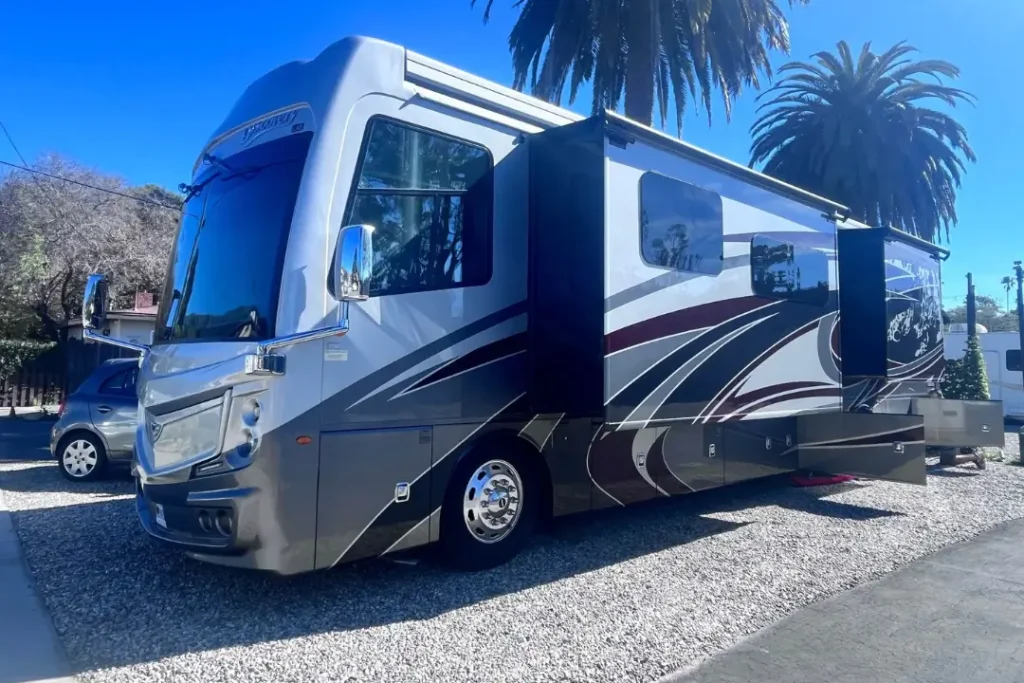
Class A RVs are very large in size. Because they can comfortably let up to 10 people sleep inside. Moreover, they usually weigh around 13,000 to 30,000+ pounds. Here is a simple size guide:
| RV Type | Length | Height | Width | Best For |
| Small Class A RV | 26–30 Feet | Around 12 feet | Around 8.5 feet | Couples or short trips |
| Medium Class A RV | 30–36 Feet | Around 12–13 feet | Around 8.5 feet | Families and longer travel |
| Large Class A RV | 36–45 Feet | Around 13–14 feet | Around 8.5 feet | Luxury travel or full-time living |
Important Class A RV Safety Features
Safety matters because Class A RVs are usually big and heavy. A larger rig means your driving habits change a bit, and you have to pay more careful attention to road safety all the time.
Class A RV common safety features:
Backup Cameras
Driving a large motorhome tends to create blind spots, no matter how experienced you are. Backup cameras help you reverse in a safer way and can lower the overall stress when you’re parking. A lot of Class A RVs also come with side-view monitoring that makes lane changes feel less complicated. On busy highways, that extra awareness can really improve confidence.
Air Brake Systems
Many diesel Class A RVs run on air brakes instead of the more common braking systems. They deliver a stronger stopping force and handle heavy vehicles more confidently. This is especially important on steep roads or during those long downhill rides where control matters even more.
Stability and Traction Systems
Modern Class A RVs may come with electronic stability systems that help avoid loss of control when things get weird. They improve overall balance in sudden turns, slippery weather, or those breezy highway stretches. They also make drivers feel more secure while holding the wheel.
Tire Pressure Trackers
Low tire pressure can turn into a real problem in bigger motorhomes. Tire monitoring systems give early warnings about pressure issues, so the driver can react sooner. Spotting it in time may help avoid tire blowouts and cut down on pricey roadside repairs during longer-distance travel.
The Advantages and Risks of Owning a Class A RV
Owning a Class An RV comes with duties that a lot ignore at first. When you start really looking at the upsides against the risks, it makes it easier to tell whether this kind of RV suits your day-to-day life:
| Advantages | Risks |
| Spacious living areas for better comfort | High purchase and maintenance costs |
| Home-like features such as kitchens and bathrooms | Large size can feel difficult to drive |
| Great for long trips and full-time travel | Higher fuel use compared to smaller RVs |
| More sleeping and storage space | Parking and campground access may be harder |
| Comfortable for families or larger groups | Repairs and upkeep can become expensive |
| Strong convenience during road trips | RV value may decrease over time |
The Real Cost of Owning a Class A RV
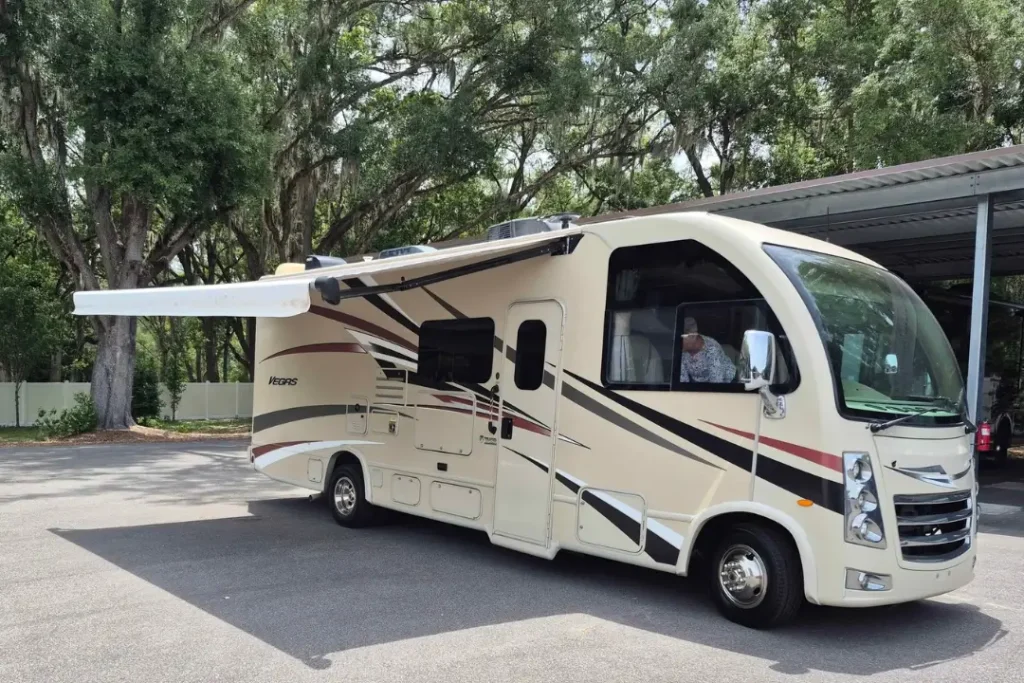
The listed retail price is just part of the story. Honestly, it is not the whole picture. Here is a realistic cost breakdown:
| Expense | Average Cost |
| New Class A RV | $100,000–$500,000+ |
| Used Class A RV | $30,000–$150,000 |
| Insurance | $1,000–$4,000 yearly |
| Maintenance | $1,500–$10,000 yearly |
| Fuel | Depends on travel distance |
| Campground Fees | $30–$150 per night |
Luxury models cost a lot more because those advanced systems need extra maintenance. Some people end up saving money by grabbing a pre-owned one instead. A really well-stored and maintained older RV might still bring strong value if you take the time to inspect it carefully.
Fuel alone surprises many new owners. Most Class A RVs average around 6–10 miles per gallon. Long-distance travel means fuel expenses can rise quickly. Other common costs include:
- Tire replacements
- Oil changes
- Generator servicing
- Roof inspections
- Brake repairs
- Plumbing fixes
How Many Years Can a Class A RV Last
A Class A RV can last a long time if maintained properly. Many stay functional for 15–30 years or more. Some older motorhomes remain roadworthy after decades.
A few things affect lifespan:
Maintenance Habits
Routine care is more important than the physical age of an RV. Regular inspections, roof repairs, fluid changes, and tire replacements help extend the RV’s life. Ignoring small problems often creates larger and more expensive maintenance responsibilities later.
Build Quality
Premium RV brands often use stronger materials and better construction methods. Higher-quality parts may cost more upfront. But they can improve durability and long-term comfort over years of travel. That is why build quality is equally vital in helping to extend an RV’s lifespan.
Travel Frequency
An RV that gets used every weekend sees more wear than one that only comes out occasionally. Heavy mileage hits tires, engines, the interior, and suspension systems too. If you’re full-time traveling, repairs can show up more often. It is basically repetition, wear, and eventual adjustment.
Good care makes a major difference. Neglect shortens lifespan quickly. Simple habits can help:
- Keep it clean
- Fix leaks early
- Service the engine regularly
- Store it properly
- Check tire pressure often
Hidden Costs of Owning a Class A RV
Some expenses pop up and surprise new owners. The most common expenses vary between the following:
- Storage Fees: A lot of people get hit with monthly storage fees if there isn’t enough driveway or garage space for a bigger RV.
- Emergency Repairs: Unexpected stuff like plumbing issues, generator failures, or electrical repairs can explode and get pricey super fast.
- Campground Upgrades: A lot of premium campgrounds ask for higher rates for the good stuff, better internet, bigger sites, pools, laundry areas, and full hookups.
- Registration and Taxes: Registration fees plus yearly taxes can feel pretty steep, especially if you’ve got a larger or more luxury Class A RV.
- Extra Fuel Costs: Going through mountains or doing long road trips often means higher fuel use, plus the whole travel bill gets heavier.
- RV Accessories: New owners usually end up spending a bit more on hoses, leveling blocks, covers, kitchen tools, cleaning products, and camping gear, even if they didn’t plan on it in the first place.
- Towing Equipment: If you tow another vehicle, you might need extra towing gear and the whole setup, which can quietly add up.
- Winter Preparation Costs: When cold weather comes, storing it indoors or outside can push you toward winterizing systems, protective covers, and extra maintenance costs.
- Insurance Deductibles: Even small mishaps or repairs you thought were minor can still result in extra money depending on what your insurance plan says.
- Tire Replacement: RV tires are pricey, and they don’t care about low mileage; they still wear out or age out.
- Generator Maintenance: Routine servicing and repairs for the generator can sort of sneak into the yearly ownership budget, year after year.
Is a Class A RV the Right Fit for Your Travel Style?
Owning a Class A RV sounds pretty exciting, but it does not work for everybody. The best RV is more about your lifestyle than what is trending or popular.
You may enjoy a Class A RV if:
- You travel for weeks at a time.
- You value comfort over simplicity.
- You travel with your family often.
- You want home-like convenience.
- You enjoy long road adventures.
It may not suit you if:
- You dislike driving large vehicles.
- You mostly visit cities.
- You travel only a few weekends yearly.
- You want lower ownership costs.
- You often travel solo or as a couple.
Finding a Class A RV That Actually Fits Your Needs
Buying the largest RV is not always the best idea. Take your time. If you rush that purchase, it usually turns into a pricey headache. So slow down and ask yourself how you will use it day to day.
Here are a few helpful recommendations:
Choose the Right Size:
Go with a size that feels comfortable for driving, parking, and even tucking away at night, based on how you actually travel.
Think About Sleeping Space:
Take a close look at bed bunks and sofa sleepers so everybody gets enough room to rest, not just the layout.
Decide on Gas or Diesel:
Gas RVs usually cost less at the start, while diesel units tend to feel steadier on the road, and they often pull better too.
Inspect Before Buying Used:
If it is pre-owned, check for leaks, tire wear, plumbing issues, and the engine condition before you buy, you do not want surprises later.
Verify Storage Space:
Make sure there are enough cabinets and compartments for clothes, supplies, and all the travel gear you tend to collect.
Be Real About Budget:
Look past the retail price and plan for fuel, insurance, maintenance, and campground fees too.
Conclusion
A Class A RV gives comfort, space, and roaming freedom in a way that very few travel options can match. Still, owning one of those RVs comes with real costs, driving challenges, plus maintenance needs. What’s the best move really depends on how you travel, your budget, and how comfortable you want the whole ride to be. If you pick it wisely, then a Class A RV can make the trip feel genuinely unforgettable, in a way you do not expect at first!
Frequently Asked Questions
Is a Class A RV good for beginners?
Yes, but beginners should expect a learning phase because of the vehicle size. Try practicing driving and parking first before any long trips.
How much fuel does a Class A RV use?
Most Class A RVs average around 6–10 miles per gallon, though fuel use depends on size, road condition, and driving habits.
Can you live full-time in a Class A RV?
Yes, a lot of people end up living full-time in Class A RVs because they provide more living space, lots of storage, and a more home-like comfort compared to smaller motorhomes.