
Monday to Saturday - 8:00 -17:30
What Is a Class B RV? Everything You Need to Know

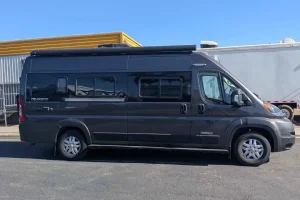
A Class B RV is one of the easiest and most flexible vehicles to travel in. It feels like a regular van, with smart living stuff inside. It is small but still simple to drive, and it is really geared for adventure.
If you are into road trips, quick weekend camping, or even a more steady, full-time journey, a Class B RV can almost feel like home on wheels. Let’s find out more in this article.
What Really Counts as a Class B RV?
A Class B RV is basically a motorhome that gets built inside a van body. Compared with the bigger RV types, it stays compact and still feels pretty easy to handle. A lot of fresh RV buyers pick it too, because it feels familiar, like a vehicle you already know how to drive and park.
Main things you notice about a Class B RV:
It runs on a van chassis
A Class B RV begins as a regular van, then gets transformed into a livable interior. That is why it feels more like steering a bigger car rather than wrestling a heavy truck. It also feels lighter and portable.
Compact but still practical
Inside, the layout is sort of planned with extra care, so space does not get wasted. Most Class B RV beddings can fold, tables may slide, and storage goes into smart spots. Even if the RV seems tiny from the outside, the designers still try to pack daily essentials in every little corner, somehow.
A motorhome that does not require towing
Unlike some travel trailers, a Class B RV doesn’t rely on a separate vehicle in order to move it. It’s all one single unit. You start the engine and just go. For many people, that setup feels nicer because there’s no towing stress to deal with.
The Reason Why People Call It a Camper Van
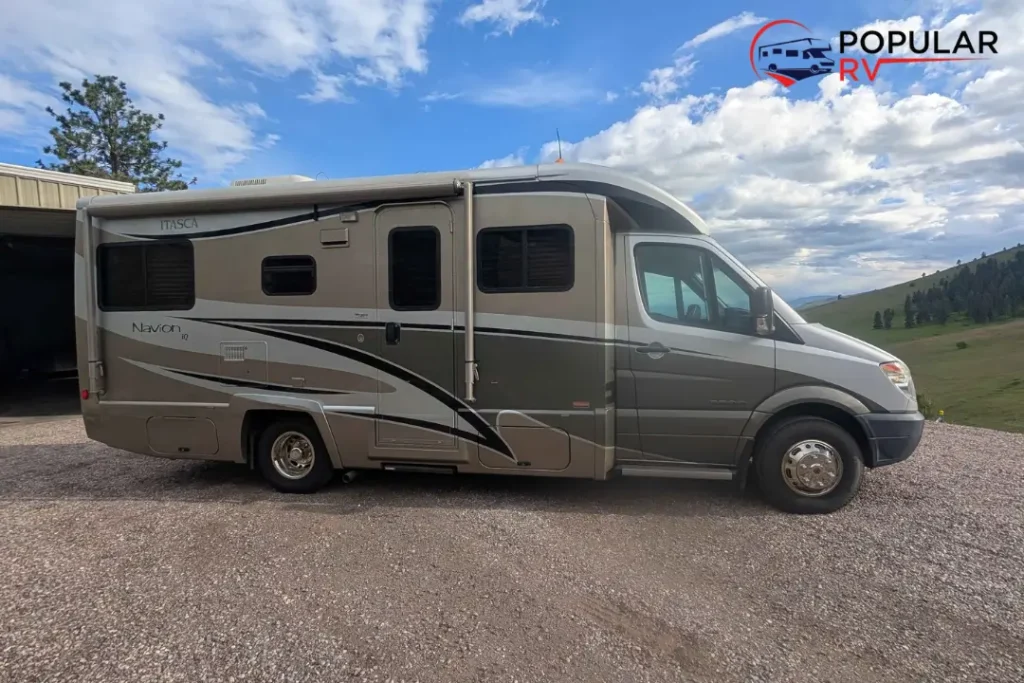
The words “camper van” and “Class B RV” are often used in the same context. That is because both describe a van made for travel and sleeping. Still, there are a few reasons this nickname became so popular.
| Reason | Explanation |
| Van Shape | It looks like a normal van from outside rather than a giant motorhome. |
| Camping Purpose | Most people buy it for camping, road trips, or outdoor travel. |
| Small Size | It feels casual and simple, making “camper van” sound friendlier. |
| Easy Travel | Owners often move from one stop to another without much effort. |
The Hidden Amenities You Might Not Expect Inside
A lot of people assume Class B RVs are basically just a bed plus storage, and honestly, that thought catches a bunch of first-time buyers off guard. Once you step inside, there is even more. Most of the time, these vans come with a surprising amount of comfort, not the bare minimum people imagine.
Amenities you might see inside, depending on the model:
A small kitchen setup
Quite a few Class B RVs come with a sink, a stove, a mini fridge, and some counter area. Some units also add a microwave or offer portable cooking options. So instead of eating out every single day, you can make simple meals, and over time, that usually means you keep more cash in your pocket.
Bathroom and shower space
A surprising number of camper vans include a compact bathroom. Usually, it has a toilet, a shower, and a little sink, all in one, which can feel narrow at first. Still, many travelers like the whole privacy thing rather than constantly using shared campground facilities.
Heating and cooling systems
Most newer Class B RVs come with air conditioning and heating. That helps when summer gets sweaty or when nights cool off fast. A lot of models also bring improved RV insulation, so the whole trip feels easier when the weather changes on the road.
Storage hidden everywhere
Storage tends to show up under beds, behind seats, and inside cabinets, like it is everywhere if you look closely enough. Owners often learn that every inch counts, and minimal packing becomes a daily kind of habit. Once you get the rhythm, clutter does not take over as easily in a small space.
Convertible sleeping areas
Many camper vans use clever sleeping zones that disappear during the day. A sofa might fold out into a bed, or a rear platform can extend when night comes. It helps the van feel more open when you are not resting.
Fresh and waste water setups
Most do not know that camper vans usually have a fresh water container plus a waste system. That means travelers can use water without needing outside help for a short stretch at a time. The tank size really comes down to the specific model and how everything is arranged.
A Closer Look at Class B RV Size
Class B RVs are smaller than most motorhomes. This makes them easier to drive and park but also limits living space. Many owners fit into grocery parking lots, city streets, and smaller campsites without much trouble.
Average size details:
| Feature | Typical Size |
| Length | 17–24 feet |
| Height | Around 9–11 feet |
| Sleeping Capacity | 1–4 people |
| Fuel Economy | Better than larger RVs |
| Parking Ease | Easier than Class C or Class A |
Class B RV vs. Class C: Which is More Ideal For You?
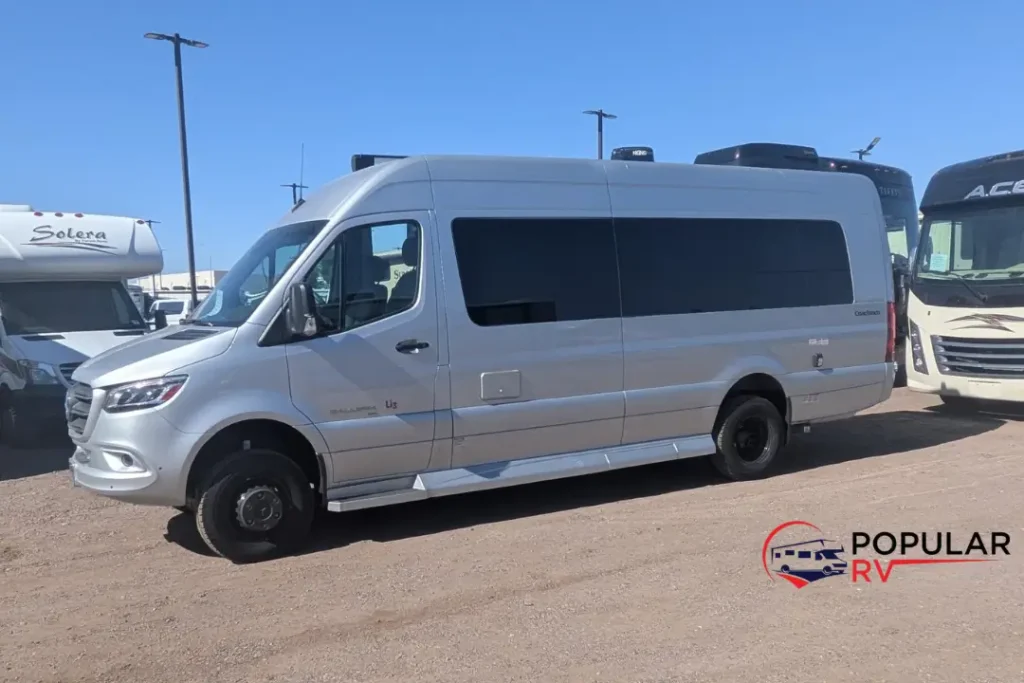
Figuring out whether to pick Class B or Class C really comes down to how you travel. One option is pretty compact and kind of straightforward, too. There is usually more room for breathing in the other one.
A Class B RV is a good fit if you move around a lot, prefer fast getaways, or just do not want a big vehicle. Meanwhile, a C Class RV tends to work better for families or for those who care about comfort when the days drag on a bit longer.
Before you decide, it helps to look at your routines. If you are usually outside all day, extra space probably is not that necessary. If you’re inside more often, then comfort may matter more than being able to move as easily.
A quick comparison for you:
| Feature | Class B RV | Class C RV |
| Size | Smaller | Larger |
| Driving | Easier | More difficult |
| Fuel Use | Better | Lower efficiency |
| Sleeping Space | Less | More |
| Parking | Easier | Harder |
| Living Comfort | Compact | Spacious |
What Daily Life Looks Like Inside a Camper Van
Living in a Class B RV feels kind of different from regular home life. You never quite get the same rhythm in home life. A day often begins by making coffee in that tiny kitchen, and then you open the door, and there it is: some mountain view or the beach parking area, depending on where you’re currently parked.
Cooking becomes simpler too. Most owners prepare easy meals with fewer ingredients. Laundry requires planning, and showers may be shorter to save water. You also learn to think carefully about electricity and storage. Many travelers watch battery levels and refill water tanks often.
Van life teaches you patience and flexibility. Plans get changed a lot, and honestly, that just becomes part of the journey. You roll with it, and in the end it is very enjoyable in a way that you don’t always see coming.
Simple daily habits many van owners practice:
- Keep belongings limited.
- Clean often because space fills quickly.
- Refill supplies before remote trips.
- Use campsites for power or water when needed.
- Value more time outdoors instead of indoors.
The Real Pros and Cons Nobody Tells You About
Having a Class B RV sounds super fun, but we know every kind of lifestyle has trade-offs. People often forget the hidden realities.
Here are a few positives:
- Freedom to Get Away Anytime: You can head out for trips without worrying about room reservations or the airport chaos. A lot of owners appreciate that they can stop, change paths, and switch plans whenever they feel like it.
- Easy Handling for Everyday Roads: A Class B RV usually feels less intimidating than bigger motorhomes. Parking, tight streets, and city driving are typically less stressful.
- Maintenance that May Cost Less: Because it is smaller, there is often less work to maintain. Repairs can be cheaper, too, and the whole upkeep workload feels lighter. Fuel usage can also feel more under control.
- Better Gas Mileage Overall: Class B RVs often sip less fuel than the larger models. Over time, that can mean real savings on long drives.
- Fits Different Kinds of Trips: These rigs work for quick weekend camping, longer road trips, or travel that stretches out. That adaptability is exactly what many travelers like.
- Lower Driving Stress: With a smaller size, you get easier turns, simpler parking, and more manageable road navigation. Lots of people report feeling comfortable behind the wheel.
- Faster Daily Cleaning: Less space usually means cleaning takes less time. Small surfaces and compact layouts can make everyday life organized and practical.
These are some drawbacks:
- Really Tight Living Area: The inside space is limited, especially if you have multiple people. On rainy days, it can feel like everyone is inside one small bubble.
- Storage isn’t Unlimited: You cannot really bring everything. Extra gear, bulky items, and random stuff will eat space quickly.
- Water and Power Have Limits: Water, batteries, and waste systems still need attention. Most travelers end up planning around refills, dumping, and charging schedules.
- Not Much Privacy: Sharing a compact layout can get awkward on longer trips, especially when people want quiet time.
- Weather Can Be a Problem: Hot, cold, or rainy weather can feel uncomfortable in a smaller interior. There’s less room to spread out if conditions get rough.
- Cooking Space is Basic: The kitchen area is built for simple meals. Big meal prep or fancy multi-step cooking can feel difficult in such a compact setup.
- Need for Better Organization: Overpacking creates clutter quickly. Staying organized becomes part of daily life.
What a Class B RV Really Costs
Many people think a smaller RV automatically means cheap. That is not always true. Because of their clever design and small technology, Class B RVs can be more expensive than anticipated.
Estimated costs at a glance:
| Expense Type | Estimated Cost |
| New Class B RV | $80,000–$200,000+ |
| Used Class B RV | $40,000–$100,000+ |
| Insurance | Varies by driver and location |
| Fuel Costs | Lower than bigger RVs |
| Maintenance | Moderate yearly expense |
| Campground Fees | Depends on travel style |
Luxury models often cost much more than people expect. Stuff like solar panels, nicer passenger areas, larger power packs, and advanced safety systems can raise the price fast. Besides, fuel, repairs, campground charges, plus routine checkups all pile up over time.
Extra costs people forget about:
- Registration fees
- Emergency repairs
- Tire replacement
- Internet or mobile data plans
- RV accessories like hoses, tools, and leveling gear
Buying New or Used: Which is Beneficial?
Deciding on a new or used Class B RV will depend on what you can spend and what you are really aiming for. Either way has perks and some downsides, so it is not just one clean answer.
Buying New
If you go with a brand new Class B RV, you get the newer tech, fresher interior design, better safety systems, and solid warranty coverage. Yes, the price at the start is higher, but in the early years, you may see fewer RV issues because the components are basically untouched. A lot of people pick new units for smooth reliability, nicer comfort, and less worry for early upkeep or maintenance.
Buying Used
Choosing a used Class B RV usually costs less, and it can make ownership feel a lot more reachable for those with a tighter budget. You might also dodge a percentage of the fast depreciation that happens right after buying a new vehicle. That is why an older RV really needs a careful, slow inspection. Otherwise, hidden leaks, engine wear, or electrical faults can show up later.
Conclusion
With a Class B RV, you can travel easily without sacrificing your basic comforts. It stitches together freedom, movement, and practical life, all inside a fairly compact setup. Even though storage and space can seem a little tight sometimes, many travelers still like the extra room it provides. On road trips, a camper van can turn into more than just transport, it becomes just like your home as well!
Frequently Asked Questions
How many people can sleep in a Class B RV?
Most Class B RVs can accommodate one to four people, depending on the overall layout and the bed design, like how it folds or reclines a bit. For couples or solo travelers, the space usually feels more comfortable.
How long can a Class B RV last with proper care?
A well-maintained Class B RV might hang around for about 15–20 years and even more. With regular servicing, careful driving habits, and the right kind of storage, you really see the difference.
Can you live full-time in a Class B RV?
Yeah, it is possible to live full-time if you are comfortable with tight spaces and a routine lifestyle.