
Monday to Saturday - 8:00 -17:30
What Is a Class C RV? A Beginner’s Guide to Comfort, Size, and Travel Styles

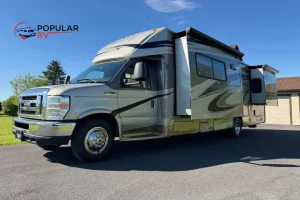
Not every traveler wants a huge motorhome or a tiny camper van either. That middle ground thing is usually where a Class C RV tends to shine, even if people don’t always say it out loud. It tends to offer enough space to feel at ease on the road while still staying pretty manageable for a lot of different drivers. For family vacations or those quick weekend escapes, it often feels like a sensible travel buddy.
In this guide, you’ll find out what a Class C RV actually is and how it measures up in comparison to other RV types, plus the cost side and the usual features.
What Qualifies an RV as Class C
A Class C RV is kind of easy to spot, mainly because of that sleeping area that hangs over the cab. The front area is like one of its signature features. These RVs usually sit on a truck or van chassis. Moreover, in general, they often feel a bit easier to deal with than the bigger stuff.
| Feature | Class C RV |
| Typical Length | 20–35 feet |
| Sleeping Capacity | 4–8 people |
| Driving Style | Similar to a large truck |
| Bathroom Included | Yes |
| Kitchen Included | Yes |
| Storage Space | Moderate to high |
A few more things also help an RV count as Class C:
– Built on a truck-style frame
– Over cab sleeping or storage zone
– Medium-sized body compared to other RV styles
– Living area with kitchen, bathroom, and sleeping places
– Road handling that tends to be simpler than large motorhomes
The Reasons Why Many Travelers Pick Class C
People frequently choose Class C RVs because, well, they feel somewhat balanced. It is not too small and not too huge. Travelers also like having a genuine sleeping spot plus a bathroom, a cooking area, and a sitting space, all without ending up in a setup that feels too tricky to drive.
Comfortable Living Space
A Class C RV gives you enough space to sort of spread out during those long drives. A lot of them come with a bed or two, couches, a dining area, a bathroom, and a cooking zone. Families usually enjoy that everyone can have a bit of personal space, while couples like being able to bring along a few familiar touches of home, but still staying on the road.
Easier Driving Than Larger RVs
A bunch of first-time owners go with Class C models because they feel less stressful behind the wheel. The driving position seems familiar, visibility is usually pretty solid, and parking feels easier than it would in those bigger motorhomes. That steady comfort helps new drivers build confidence much sooner.
Good for Short and Long Trips Both
Some RVs are really meant for weekend escapes, and others are built for long travel seasons. A Class C tends to do both. You might take a quick trip to the coast, or you could spend months roaming around national parks without feeling cramped or worn out. You are not stuck with a poor setup for everyday living at all.
Easy Setup for Families
The extra sleeping room above the cab makes Class C RVs a hit with families. Kids often love that area because it feels cozy and kind of entertaining. Parents also tend to appreciate the separate sleeping spaces, so there’s less messing around with beds every single night.
Where Class C RVs Sit Between In Size

Class C RVs kind of sit right in the middle of small camper vans and big motorhomes, dimensionally. Most of the time, they end up around 20 to 35 feet long, about 10 to 12 feet high, and roughly 8 to 8.5 feet wide.
A Class B RV is smaller in layout but way less troublesome to park in tighter spaces. Then, Class A RVs are the huge ones, with extra comfort, plus storage everywhere you look.
Overall, a Class C is that balanced middle option, where you can get solid comfort and enough sleeping space, but still drive it in a more manageable way, without feeling like you’re swallowed up by the whole rig.
A Class C RV Full Walk-Through
When you step into a Class C RV, you’ll usually see how efficiently each area gets used. Even medium-sized units often end up with about everything you need for travel life, more or less.
A typical quick walk-through might go like this, although it depends on the model:
Front Driving Area
The front feels almost like driving a truck or a big van. You get higher road visibility, wider mirrors, and controls that are pretty straightforward. A lot of travelers say they feel comfortable after just a short practice run, so the longer road trips end up feeling less tense and more enjoyable as well.
Living and Dining Area
In most Class C setups, there is a small dine-in space or a couch corner where you eat, chill a bit, or chat. On rainy days or those long evenings, this same little shared spot turns out to matter more because it gives you a restful place to be indoors.
Kitchen Space
The kitchen typically has plenty of gear for everyday meals. You might run into a stove, microwave, refrigerator, sink, and some cabinets for keeping things. Even if it is smaller than a full home kitchen, a lot of owners still like to cook because it helps stretch the budget while on the road. Somehow, it appears to be more practical for them.
Sleeping Zones
How you sleep can vary a bit depending on the RV’s overall width and arrangement. Families commonly use the over-cab bed, a rear queen bed, and fold-down dining areas. Couples sometimes look for layouts that feel more open, like a larger bedroom plan with fewer sleeping sections. So you gain a bit more privacy.
Bathroom Setup
Having a bathroom inside the RV changes the whole trip. You don’t have to chase restroom stops all the time, and you keep your privacy while camping. Many Class C models include a toilet, a shower, a sink, and small cabinets for the basic personal items you actually need.
What Interior Features to Expect Inside
Inside a Class C RV, comfort matters. Depending on the specific budget and models, you get to see various interior features. You may see the refrigerator, sink, stovetop, microwave, and small kitchen storage stuff, the usual.
In the back, you get rear beds, overhead sleeping areas, and even foldable sleep spaces if you need them. There can be a private bathroom also with a toilet, sink, shower, and mirror, kind of all in one area.
For different weather conditions, it includes air conditioning and heating. Meals and leisure activities are handled by a dining booth or seating space, wherever you feel like sitting. You’ll also notice overhead cabinets, drawers, closets, and under-bed storage, like a lot of hidden space.
At night, there is interior lighting and reading lamps for comfort. Then the plumbing side is covered with freshwater tanks, water heaters, and plumbing systems. Power options can include a generator, battery power, solar choices, and electric hookups.
The Good Parts People Love About Class C RVs
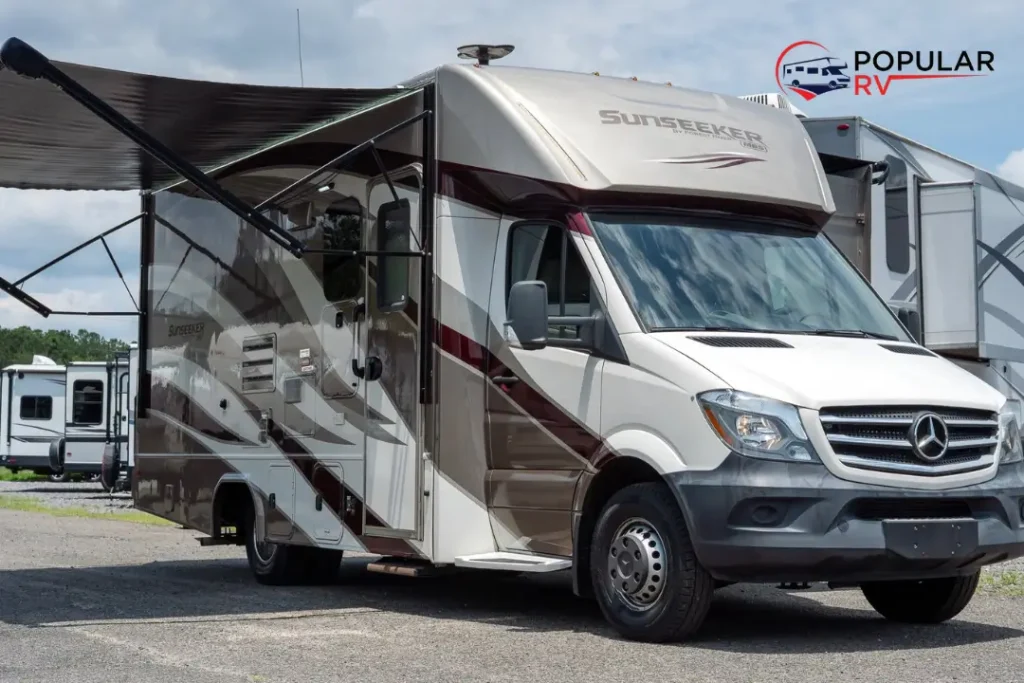
Lots of owners stick with Class C RVs because they somehow make travel feel a bit more flexible even when things get weird. Also, besides the normal amenities and that whole interior vibe, there are also a few other surprisingly good points that people tend to mention:
- More campground options: Class C RVs usually slide into more campgrounds where bigger motorhomes might get stuck with size issues. That means you can pick from more places when you plan your stops, and you are not forced into just a couple of locations.
- Better road visibility: The higher driving position gives you a clearer view of the traffic, the upcoming turns, and road conditions. It’s one of those things where, after a while, you feel steadier, especially on long drives, and it helps mentally too.
- Less hassle when parking: Unlike a trailer, there is no hitching and unhitching routine before you can move. You can pull in, park, and settle down faster, without extra steps, and that saves time when you are already exhausted.
- Quick access anytime: Passengers can reach snacks, bags, or rest breaks faster, without having to unpack everything first. So even longer stretches feel smoother and not like you need to reorganize constantly.
- Fits different travel styles: Some people simply buy a Class C for vacations. Others treat it like seasonal travel or even use it for remote work trips. Either way, it seems to adjust to how you prefer to live and travel.
- Feels pretty home-like: A Class C often feels cozy during those long travel days. With familiar stuff around, a real place to rest, and indoor comfort right there inside, trips feel less exhausting overall.
Couples, Families, or Solo Travelers: Who Enjoys It Most?
Class C RVs are versatile and can accommodate a variety of travel styles. The overall experience, however, varies according to who uses it. Here’s a quick breakdown:
| Traveler Type | Why It Works | Things to Consider |
| Couples | Good for trips and comfort | Smaller models are easier to park |
| Families | Extra beds and shared space | May need more storage |
| Solo Travelers | Comfortable and private | Size may feel too big |
| Retirees | Good for slow travel | Plan fuel and upkeep costs |
The Disadvantages People May Not Be Aware of
A Class C RV can feel pretty adventurous and fun, but there are also a few downside points to keep in mind:
- Higher fuel costs: The heavy-sized models usually involve more fuel use, mainly on long drives or highway-based explorations.
- Parking challenges: Tight streets and crowded zones can feel quite difficult to deal with. Mainly when every spot seems taken.
- Frequent maintenance: Plumbing, batteries, tires, and engines all require consistent care and supervision.
- Limited space: Storage can seem pretty cramped sometimes for larger families or during long trips. So you end up shifting things around more than you expect.
- Slower travel speed: Because it can be quite big in size, steep roads and quick driving can feel more difficult sometimes.
- More trip planning: Fuel stops, campground access, and where you’ll sleep overnight, all of that requires some extra organizing.
Fuel Stops, Maintenance, and the Hidden Budget Talk
Buying an RV is only one part of ownership. Many people forget about ongoing expenses. Here are common costs owners often face:
| Expense | Estimated Cost Range |
| Fuel | $200–$1,000+ per month (depends on travel) |
| Insurance | $500–$2,000 per year |
| Maintenance | $500–$3,000+ per year |
| Campgrounds | $20–$100+ per night |
| Repairs | $200–$5,000+ depending on issue |
| Storage | $50–$300 per month |
Some hidden costs may surprise beginners as well:
- Appliance replacement
- Water and sewer system care
- Tire exchange and wheel service
- Battery replacement over time
- Roof sealing and leak fixes
- Registration, taxes, and license fees
- Cleaning and maintenance products
- Emergency roadside aid or towing costs.
Shopping for a Class C RV Without Feeling Lost
Shopping for an RV can feel kind of confusing because there are lots of configurations and price ranges. A simpler approach helps:
Think about how you genuinely travel
Before you shop, ask yourself how you usually go. For weekend trips, you typically need less room than full-time individuals would. Families might want several sleeping areas, while couples often go for a comfort-forward setup, with bigger beds and better places to sit.
Set a budget that actually feels livable
Do not buy just because the RV looks exciting at the moment. Plan for insurance repairs with fuel and campground charges too. A cheaper model with lower RV value and constant repair needs can end up costing more than a dependable one later on.
See more than one model, in person
Pictures don’t show the real vibe. Go inside a few different floorplans and think about everyday use. Grab a seat at the table, try the beds, and open cabinets or storage spots. Those small things matter more than you expect once you imagine long travel days.
Try renting first, if you can
Renting an RV can save you from purchase regret, and it also helps your brain understand what you like. You’ll figure out what gets unpleasant and which elements you actually use. Even one short outing can teach you more than weeks of scrolling and comparing online.
Conclusion
A Class C RV is an example of a middle ground between comfort and practicality. It feels roomy enough for actual trips, yet it stays easier to steer than those huge motorhomes. For plenty of first-timers, it hits a good balance. If you plan the budget well and shop a bit carefully, it can turn into the best RV to wander into new places without too much hassle!
Frequently Asked Questions
Is a Class C RV too big for everyday driving?
For many people, yes. It can handle roads comfortably, but parking and city driving may feel inconvenient for daily trips.
How long can a Class C RV last with proper care?
In terms of lifespan, a Class C RV can last anywhere from 15 to 25 years and beyond, depending on how well you use it and maintain it, plus where you store it.
Should you rent a Class C RV before buying one?
Absolutely. Renting first helps you understand size, comfort, driving feel, and whether the lifestyle actually fits your travel habits.