
Monday to Saturday: 8 am - 6pm
What RV is Best for Full-Time Living? Full Guide to Choosing the Right RV

Living full-time in an RV is not just some faraway retirement dream or a short-term travel thing anymore. More and more people pick RV life for freedom, easy adjustability, and, honestly, lower living costs too. That said, not every RV is really made for living every day, year-round.
Picking the right one can make a huge difference between having a comfy house on wheels and getting stuck with an annoying situation.
In this guide, we’ll cover everything you should know before buying an RV for full-time living.
Understanding Full-Time RV Life Before You Buy
Full-time RV living seems kind of glamorous from the outside, but frankly, it has its own odd little set of challenges. Before you go and buy an RV, it really helps to know what everyday life on the road actually feels like, not just the marketing version of it.
You are going to be in a smaller space than a regular home. Storage gets squeezed down, and suddenly every bit of room becomes important, like you start counting corners. You will often be moving between campgrounds, state parks, and RV resorts.
Then the basics like water, electricity, and the internet also require planning, sometimes more than you’d expect. A lot of full-time RVers also work remotely. That means dependable internet, some kind of dedicated work area, and power management really matter.
Weather is another big piece of the puzzle. Summer heat, winter snow, and strong storms do not just affect your comfort. They also affect how your RV holds up over time. So the “right” RV should handle different climates without feeling cramped or unreliable when things get rough.
Why It is Important to Pick the Correct RV
The RV you pick will kind of act as your home, transportation, storage unit, and personal getaway place. A bad decision can bring discomfort, pricey repairs, and fewer travel chances. And because full-time RV life usually means a big investment, spending a bit of time checking your options can literally save you thousands of dollars later.
Some RVs are made mostly for short vacations. They may have weak insulation, not enough storage, and less durability, which you’ll want for living full-time. Others are built more for residential living, and they come with features that feel closer to a traditional home.
Picking the right RV impacts:
- Comfort and daily convenience
- Maintenance and repair expenses
- Fuel and travel costs
- Storage capacity
- Weather protection
- Long-term worth when selling
Most Important Features That Make an RV Feel Like Home
When comparing RVs, focus on features that improve everyday living rather than vacation convenience. Such as:
Residential kitchen
A kitchen that works well is kind of a big deal. You want a fridge that’s truly large, lots of counter space, deep sinks, and cabinet storage that doesn’t feel like it was designed for a few snacks. A lot of full-time RVers cook most meals at home, essentially, so a practical kitchen becomes one of the most valuable things inside the RV, period.
Comfortable sleeping area
Your sleeping space needs to feel like a real retreat, not a crowded storage corner. A residential-size mattress helps, along with decent airflow for ventilation and enough wardrobe space for clothes. Since you’re basically there every night, choosing a comfortable sleep setup is one of the smartest moves you can make.
All-season capability
Full-time RVers experience all types of weather all year long. A four-season RV setup usually brings stronger interior insulation, an enclosed underfloor, heated tanks, and upgraded window systems. Many RV owners also prioritize RV mice control year-round. With all that, day-to-day comfort goes up, while energy costs tend to go down during those crazy hot or freezing sessions.
Storage Space
Storage limits can get outdated pretty fast when you live on the road full-time. Try to find generous exterior compartments, real wardrobe closets, under-bed chests, and even pantry space. When there’s enough room for everything, and you can stash all the necessary items without turning your whole living area into a cramped clutter zone.
Reliable internet setup
Many RVers work remotely, stream content, or just keep up with family online. You’ll want room to place a router, a booster or two, and the cellular internet gear where it doesn’t end up in the way. A reliable internet setup is almost as essential as water and electricity now for modern RV life, even if it doesn’t look desirable at first.
RV Classes Recommended for Full-Time Living
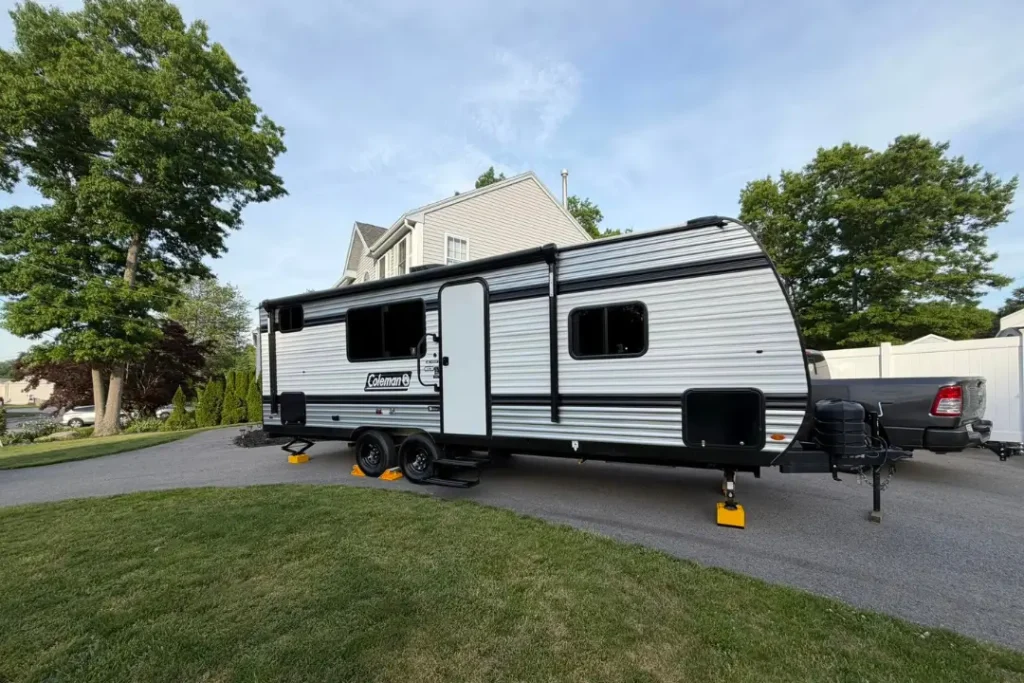
While a lot of RV types can be used for living full-time, only a few really keep showing up as the standout picks among long-time RVers.
For most people year-round, a fifth wheel tends to feel more “home” in day-to-day use, whereas a Class A RV brings that bigger comfort vibe. A Class C motorhome can also work very well for those who want something smaller and, frankly, easier to steer.
Fifth Wheel
For many full-time RVers, a fifth wheel is the top choice. A lot of these setups feel the closest to a traditional home because they have taller ceilings, a big space, and kitchens that look more homelike. Plus, the storage is usually pretty generous, inside the unit and underneath also. And because the tow vehicle can be detached, owners get transportation available without having to move the whole house along, which is a pretty big deal.
Class A Motorhome
Class A motorhomes are a strong pick for people who really care about comfort and convenience. They come with some of the biggest floor plans you can find, and many include “luxury” perks like residential-style appliances, big living areas, and entertainment spaces. You see these a lot with retirees and also with travelers who end up changing locations quite often.
Class C Motorhome
A Class C motorhome can be a really good pick for solo wanderers or small families who want a middle ground between comfort and how easy it is to drive. These RVs feel easier to manage than big Class A coaches. But they still keep a decent amount of living space for longer hauls. They’re also frequently priced better, which makes them kind of appealing to first-time full-time RVers, especially if you’re testing out the lifestyle.
Solo Travelers vs. Couples vs. Family RV Needs
Choosing an RV that fits your household size is kind of important. Like, the ideal setup for a solo traveler or two people just isn’t the same as the ideal RV for a family.
- Solo Travelers: A Class C motorhome is often the best pick for a solo traveler. It’s easier to drive, park, and keep up. Plus, it gives you a decent amount of space without it feeling too huge or too expensive.
- Couples: A fifth wheel or Class A can be a really good fit for couples. You usually get a cozy living space, a bigger cooking area, and more storage than in smaller types. A lot of couples like it because it feels almost like a regular residence, not just an RV on wheels.
- Families: For families, a larger fifth wheel tends to work out best. These units typically include separate sleeping spots, extra storage, and roomier common spaces. That extra breathing room makes daily routines less stressful, especially for parents and kids.
Fifth Wheel vs. Motorhome: What Are the Downsides?
Fifth wheels and motorhomes are both pretty great for doing full-time RV living, but nothing is really perfect. The “best” choice largely depends on how you’re expecting to move around. A fifth wheel tends to give you more room to live in, plus more adaptability for day-to-day use. Whereas a motorhome feels more convenient, especially when you’re changing spots, and you just want an easier setup without all the extra steps.
Drawbacks with a fifth wheel:
- It will require a heavy-duty truck to be towed behind you.
- Unhitching and hitching can be time-consuming.
- Bigger units can feel awkward around tight roads or in parking lots.
- The upfront price can get pretty high once you add the tow vehicle.
- Some campgrounds put limits on length or overall size for larger fifth wheels.
Drawbacks with a motorhome:
- It often costs more to buy, compared to a lot of other towable RVs.
- Repairs and general upkeep can be pricier than people expect.
- If the motorhome needs repairs, you may temporarily lose both your home and transportation.
- Fuel expenses are usually higher, especially with larger Class A models.
- You may still need to tow a separate car or smaller vehicle to get around the local area sometimes.
Best RV Brands for Full-Time Residents
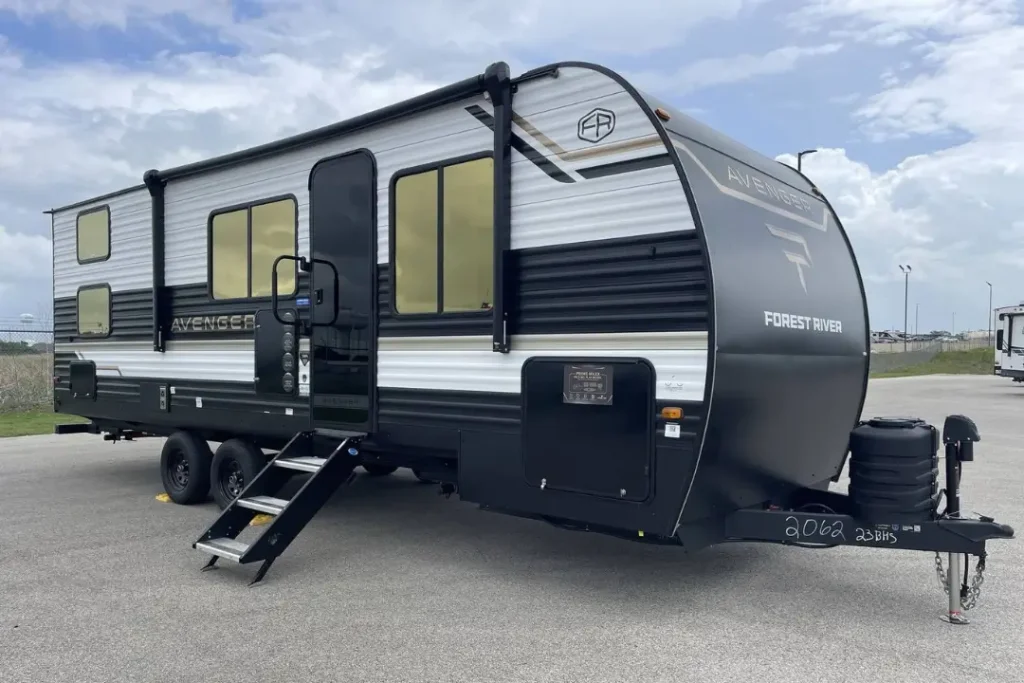
A few RV manufacturers have managed to build a solid reputation with full-time RVers. People tend to point to quality construction, sort of comfortable layouts, and a bunch of features that feel made for day-to-day life, not just quick trips.
Grand Design
Grand Design is honestly one of the most popular picks for full-time RV living. Their RVs come with roomy floor plans, solid materials, and more than enough storage. You’ll hear the Solitude mentioned a lot, especially by couples and families who want that residential vibe without, you know, the constant compromises.
Brinkley RV
Brinkley RV has gotten really popular fast among RV fans. The brand leans into modern layout, premium finishes, and practical upgrades that quietly make routines smoother. Their fifth wheels are usually built for long-haul comfort, plus durability too, which is somewhat the main selling point.
DRV Luxury Suites
DRV goes a different route. High-end fifth wheels designed for long-term living are their specialty. These rigs are made with sturdy construction, strong insulation, and lots of luxury additions. A lot of full-time RVers end up choosing DRV because it holds up well and still feels comfortable and at home.
Newmar
Newmar is pretty famous for making luxury Class A motorhomes. Their models tend to have really roomy interiors, solid craftsmanship, and those kinds of premium features that make sticking to the long-run travel feel easier and more pleasant. It’s one of those brands where everything seems built for comfort, not just looks.
Maintenance Costs You Should Expect
Many first-time buyers underestimate the maintenance costs for an RV. Unlike a regular home, an RV kind of blends both the living space setup and the transportation systems into one, so it can be a little tricky. It’s a good idea to plan for at least a few thousand dollars each year for routine upkeep and unforeseen incidents.
Common annual maintenance costs include:
| Expense Category | Estimated Annual Cost |
| Tire Replacement Fund | Approximately $500–$1,500 |
| Roof Inspections and Repairs | Approximately $200–$1,000 |
| Appliance Maintenance | Approximately $100–$800 |
| Brake and Suspension Service | Approximately $300–$1,500 |
| Generator Maintenance | Approximately $100–$600 |
| Unexpected Repairs | Approximately $1,000–$5,000+ |
New vs Used RV for Full-Time Living
Both brand-new and pre-owned RVs have their upsides. But in the end, it really depends on what your priorities are.
Buying new
A new RV gives you more mental peace and generally the newest kinds of convenience. You usually get the manufacturer’s warranty with newer systems, so you don’t really worry about someone else’s past mishaps. Still, you are paying more upfront, and a new RV can shed value pretty fast, especially in those first few years. Sometimes, even though it’s “new,” you might end up dealing with warranty repairs for something factory-related, even if it’s rare.
Buying used
A used RV is often the smarter value path for a lot of people. It tends to cost less when you first sign, and the depreciation usually isn’t as brutal as with a fresh model. In some cases, you can even grab a nicer, higher-end RV than you’d otherwise manage. But with used units, there can be concealed maintenance concerns, warranty coverage may be limited, or there might be upgrades and small fixes that really need attention before you settle into full-time travel mode.
Finding the Right RV for Your Budget and Travel Style
The best RV is not always the biggest one or the priciest. Before you lock in a final decision, try stopping by several dealerships and wandering through different floor plans. If you can, consider renting a few RV models as well.
Before you buy, you might want to consider the suggestions below:
| Budget Range | Best For | Recommended RV Type |
| Under $30,000 | Budget-minded travelers | Used travel trailer or older Class C |
| $30,000–$70,000 | Solo travelers and couples | New travel trailer or used fifth wheel |
| $70,000–$150,000 | Full-time vacationers | A premium fifth wheel or Class C |
| $150,000+ | Luxury full-time living, families, and big groups | Luxury fifth wheel or Class A motorhome |
| Any Budget | Remote workers needing office space | Large fifth wheel or Class A RV |
| Any Budget | Frequent travelers who move often | Class C or Class A motorhome |
| Any Budget | Long-term campers staying in one location | Fifth wheel |
| Any Budget | Retirees seeking comfort and convenience | Fifth wheel or Class A motorhome |
Conclusion
The best RV is the one that kind of slides into your everyday rhythm, like it’s always been there. From storage and sleeping arrangements to the whole workspace situation, each tiny detail sort of matters more than you’d think for your long-term satisfaction. Look into your options carefully and pick a layout that actually lines up with what you want. The right RV can turn the open road into a spot you’ll be genuinely happy calling home!
Frequently Asked Questions
Can you legally live in an RV permanently?
Yeah, because local laws vary a bit. In some places, it’s fine to live in an RV long-term, while in others, outdoor living is restricted to approved campgrounds or RV parks.
What size RV is easiest to live in full-time?
For most people, RVs from around 30 to 40 feet tend to offer a pretty nice balance, especially if you’re planning on permanent living.
Do all campgrounds allow full-time RV residents?
No. Some campgrounds limit stay durations, while others are specifically open to long-term and full-time RV residents.