
Monday to Saturday - 8:00 -17:30
How Much Does an RV Depreciate Per Year?

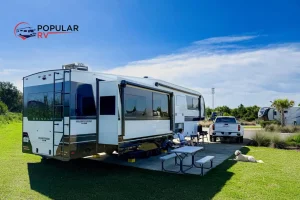
Getting yourself an RV is kind of a big commitment. No matter if you’re heading out for vacations, living full-time, or just doing those weekend breaks, getting the idea of depreciation is important. Just like most cars and trucks, RVs tend to lose value as time goes by. Some models seem to drop in price pretty fast, while others keep their worth longer, in a steadier way.
When you understand how RV depreciation works, you can plan smarter when buying and selling. It can also help you defend your investment a little better and end up with stronger resale value later on.
What Does RV Depreciation Mean?
RV depreciation is basically the shrinking of an RV’s value over time. Like, the second a new RV is rolled out of the dealership lot, the market price starts to slide. That drop is driven by a mix of things: its age, how much it is worn in, the odometer reading, changes in the tech inside, and even what people are currently hunting for in the market.
Depreciation hits all kinds of recreational vehicles. The pace isn’t the same for everyone. It can depend on the RV class, its overall condition, and the maintenance record, somewhat like how regularly it was cared for.
Try to treat depreciation as the gap between what you paid at the time and what a buyer today might actually hand over years later. You can’t fully prevent depreciation, but when you get what it is, you can make smarter money choices as an owner.
Yearly RV Depreciation Explained
Most RVs lose value every year. Usually, the biggest drop happens in the early period, during the first years you own it.
The little table below lists typical depreciation figures for many RVs:
| RV Age | Average Value Lost |
| First Year | 20%–30% |
| Years 2–3 | 10%–15% per year |
| Years 4–5 | 8%–12% per year |
| Years 6–10 | 5%–8% per year |
| 10+ Years | Slower depreciation if maintained well |
For example, an RV bought for $100,000 might be worth only $70,000 to $80,000 after the first year. Then, after five years, its value could settle between $50,000 and $60,000, depending on how it’s maintained and what people are looking for in the market.
Also, these depreciation rates are estimates, not any kind of promise. Stuff like economic conditions and how popular RVs are at the time can alter the real numbers one way or another.
Different RV Classes and Their Depreciation Rates
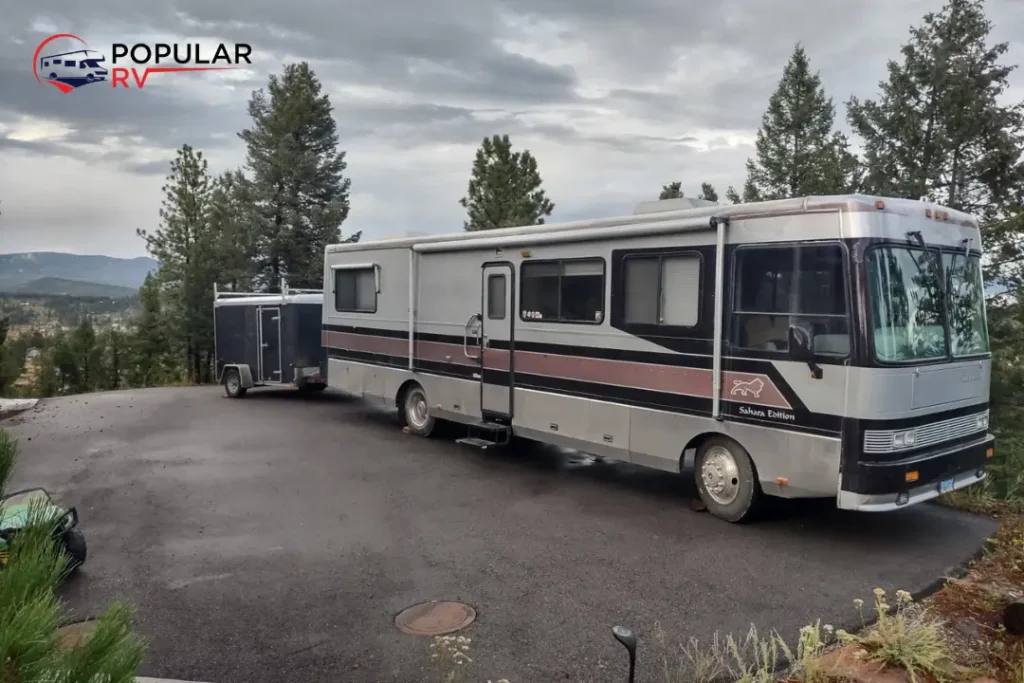
RV categories don’t all lose value the same way. Particularly, the depreciation rate is basically different depending on the type. For example:
Class A Motorhomes
These are the biggest and most comfortable motorhomes. They usually come with very high purchase prices, so the dollar amount lost each year can feel pretty noticeable. Still, premium brands of Class A RVs with a solid name can sometimes keep their worth better than the budget models, even if the market changes.
Class B Camper Vans
Class B RVs have been getting more attention lately. Because they’re smaller, use less fuel, and offer a sort of on-the-road flexibility. These vehicles often hold value better than many larger RV types. When demand stays steady, resale prices can stay higher too.
Class C Motorhomes
Class C RVs tend to see moderate depreciation. They fit families well and also attract first-time buyers, which means there is usually a wide audience when people resell them. If they’re kept in good shape, Class C units often keep their value pretty decently over the years.
Travel Trailers
Travel trailers often depreciate faster than some motorized choices. The longevity-based value relies on stuff like build quality, the manufacturer’s standing, and whether they are maintained regularly or not. In other words, condition matters a lot.
Fifth Wheels
Fifth wheels can sometimes hang on to value a bit more than regular travel trailers. Their roomier floor plans are a plus. Also, the fact that many long-term travelers like them help keep demand alive in the secondhand RV market.
New RV vs. Used RV Depreciation
Lots of buyers end up asking themselves if buying new or going with something used is really the smarter move financially.
A new RV tends to come with the newest features, solid warranties, and that modern tech vibe. But then again, it also takes the biggest hit right away, because it tends to depreciate the fastest. Basically, the first owner ends up eating the largest reduction in value.
A used RV, meanwhile, has already passed through the roughest depreciation stretch. So you can often get it for less, and there’s a good chance that the future value drop won’t feel as aggressive.
Advantages of Buying New:
- Factory warranty coverage.
- New appliances and components.
- Latest floor plans and technology.
- No previous owner wear and tear.
Advantages of Buying Used:
- Lower purchase price.
- Reduced depreciation impact.
- Lower insurance costs in many cases.
- Better value for budget-conscious buyers.
Many RV experts like us recommend buying a well-cared RV that is two to five years old. This often provides a balance between condition and value retention.
Key Factors That Affect RV Depreciation
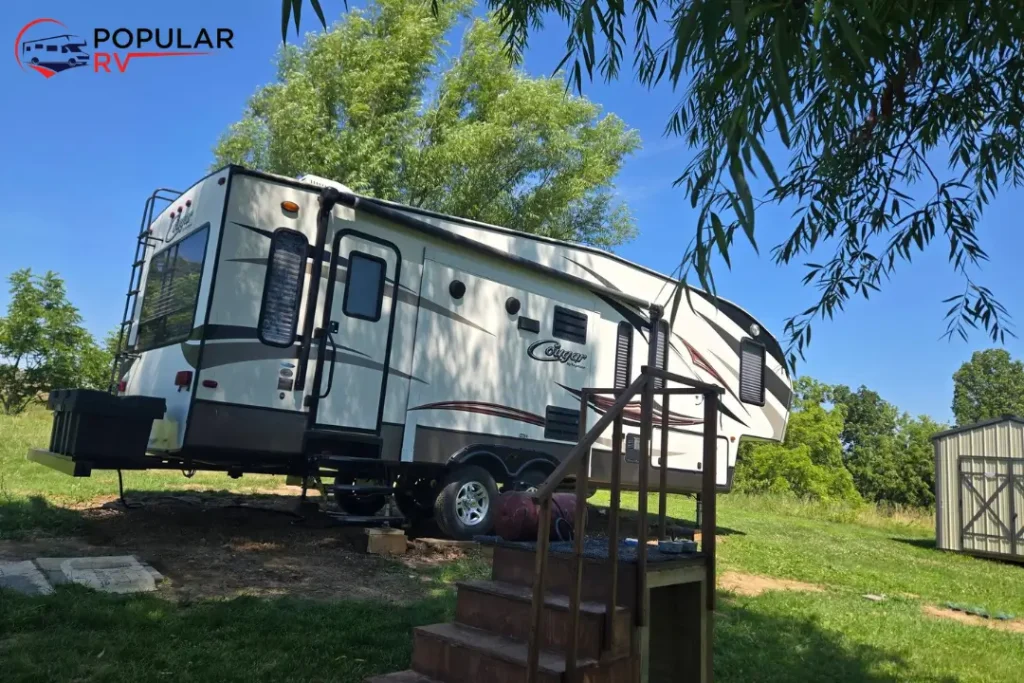
A few things significantly decide how fast an RV starts losing value. Here are a few clear examples:
Brand reputation
RV brands with a strong name tend to keep their value better. People are often more willing to trust manufacturers that are known for solid construction, dependability, and solid customer support. When the brand is well known, more folks look at it in the used market, so owners can sometimes get better resale prices. Reputation can really steer depreciation, especially in those first few years, once the initial excitement fades a bit.
Maintenance history
Staying on top of maintenance is probably the biggest lever for resale value. Buyers are more willing to pay extra when service records are available, like documented work done, filters changed, and repairs handled. Good upkeep also helps prevent expensive problems later on, and it shows responsible ownership. If maintenance gets neglected, depreciation can kick in faster because buyers start assuming there are hidden issues and extra costs coming soon.
Mileage and usage
Motorized RVs rack up mileage, basically like cars and trucks. More miles often means lower resale value because it suggests extra wear on the engine and related mechanical parts. Heavy use can also show up inside, worn upholstery, or tired flooring, etc. Still, moderate use with good documentation tends to be treated better than long periods of sitting, because inactivity can create its own maintenance issues, too.
Overall condition
How it looks on the outside and whether the inside is clean really influences resale value. Water damage, tired furniture, damaged flooring, and even paint that’s faded can drag down interest fast. RVs that look cared for tend to attract higher offers. Honestly, first impressions matter a lot, especially when a buyer is comparing several used RVs in the same general price bracket. They usually decide quickly from the visible stuff.
Market demand
Supply and demand kind of run the whole RV pricing thing. In the end, what people want most is what tends to hold up best, especially with popular RV styles, since more buyers are actually searching for them. Still, the bigger picture isn’t just one factor. Economic conditions, fuel costs, changing travel trends, and everyday consumer preferences can all provoke market demand in different directions.
How Some RVs Hold Their Value Better
Not every RV depreciates at the same rate in reality. Some models seem to hold their value longer because of small things in the build and design. RVs that are made with durable materials usually age more gracefully, even when years stack up.
| Value-Retention Factor | Why It Matters |
| More superior build quality | Increases durability and buyer confidence |
| Strong manufacturer reputation | Creates greater resale demand |
| Popular floor plans | Appeals to a wider audience |
| Regular maintenance | Preserves functionality and appearance |
| Limited modifications | Keeps the RV attractive to more buyers |
| Indoor storage | Protects against weather-related damage |
Proven Methods to Minimize RV Depreciation
Depreciation is basically unavoidable, but owners can fairly slow it down. Not fully, of course, but there are a few helpful moves that tend to work pretty well:
Stay on top of upkeep
Regular upkeep keeps both the RV’s mechanical system and the overall structure from being damaged faster. Routine checks, oil changes, roof attention, plus appliance servicing can stop costly problems before they grow. If you also keep full maintenance records, it really boosts buyer confidence, and yeah, that matters when it’s time to sell. Having a proper service trail usually makes the RV feel more risk-free to purchase in the resale world.
Store it the right way
Sun, rain, snow, and humidity can speed up wear in a hurry. Putting the RV indoors, or using solid covers, helps shield the exterior, the roof, and the seals from weather damage. Good RV storage cuts down the fading, cracking, and those moisture headaches that pop up later. Basically, keeping its look intact can make a big difference in long-term worth.
Fix things early
Little problems have a habit of turning into larger, more expensive situations if they’re ignored. Water leaks, worn seals, and appliance troubles should be handled as soon as possible. Quick repairs help keep the RV in better shape and stop extra damage from stacking up. And, honestly, buyers often step away from RVs that show signs of unresolved maintenance or neglected repairs.
Don’t go too wild with modification
Super personal upgrades might feel exciting now, but they don’t always land with future buyers. Big, extreme alterations can shrink the pool of interested purchasers. More neutral upgrades that improve function tend to bring in better returns. Buyers often consider specs such as RV generator size when evaluating overall value and functionality. Keeping the RV generally relatable and broadly appealing helps protect resale chances and often supports stronger market value.
Maintain Proper Documentation
It’s kind of surprising, but organized documentation can make a real difference when selling later on, honestly. Paper trails like maintenance receipts, warranty information, upgrade records, and even inspection reports show a kind of responsible care. Most buyers seem to feel more relaxed, even willing to pay higher prices, once they can look through the RV’s background. When the records are solid, the whole selling process tends to move faster, and your negotiation stance usually gets stronger.
How to Estimate Your RV’s Existing Worth?
Figuring out an RV’s current value isn’t as simple as it sounds, because there’s not really one magic number for every unit. Try to look at models with roughly the same age, a similar overall state, and the same kind of features. A rig that has a stack of maintenance records can sell for more than what you’d expect from a nearly identical model. Also, many folks prefer getting a professional appraisal because that tends to tighten up the estimate a lot.
You can estimate it by:
- Checking recent sales for similar RVs, not just random postings.
- Looking at active listings in nearby areas and local markets.
- Using RV pricing guides as a rough compass.
- Factoring in mileage, plus the current condition.
- Valuing upgrades and accessories, even small ones can matter.
- Reviewing maintenance history and receipts helps.
Common RV Depreciation Mistakes Owners Make
Many owners unintentionally accelerate depreciation through avoidable mistakes. For example:
- Ignoring routine servicing.
- Delaying necessary maintenance tasks.
- Locking up the RV improperly.
- Failing to research market trends before buying or selling.
- Choosing an unpopular floor plan.
- Making overly personalized modifications.
- Selling when market demand is low.
- Adding costly upgrades with little resale value.
- Waiting too long to sell an aging RV.
- Buying a low-quality RV brand.
- Ignoring seasonal demand patterns.
- Financing without considering depreciation.
Conclusion
RV depreciation is kind of a normal part of owning one, but if you really grasp how it works, you can end up making smarter money choices. Most RVs shed the most value in those first few years, and generally, the ones that are well-maintained seem to keep their worth longer, even if the market gets weird. If you care for your RV the proper way and make informed buying choices, you can cut down the depreciation rate a lot and also shield your investment!
Frequently Asked Questions
Do RVs lose value faster than cars?
In many cases, yes. RVs frequently depreciate faster than cars in their first few years of ownership, especially when purchased brand-new.
Which type of RV depreciates the least?
Class B camper vans often retain value better than many other RV types due to strong demand and versatile usage.
How much value does an RV lose in the first year?
Most new RVs lose approximately 20% to 30% of their value during the first year of ownership.
When is the best time to sell an RV?
Many owners find spring and early summer ideal because buyer demand is often higher before peak travel season.